What Is Hypochlorous Acid (HOCl)? The Skin's Natural Antimicrobial
Prepared by Pharmacist Berfin Işık. Pharmacist, dermocosmetics, and active ingredient expert. This content is for informational purposes only and does not substitute for medical advice.
Hypochlorous acid (HOCl) is one of the fastest-rising skincare actives of recent times; moreover, unlike a viral trend, it's one of the rare ingredients supported by dermatologists. The interesting thing is: HOCl is not actually a foreign chemical to the skin; it is an antimicrobial molecule naturally produced by the white blood cells of your immune system. In this guide, we examine what hypochlorous acid is, how it works on the skin, for which skin types it is suitable, and its scientific evidence level from a pharmacist's perspective.
What is Hypochlorous Acid (HOCl)?
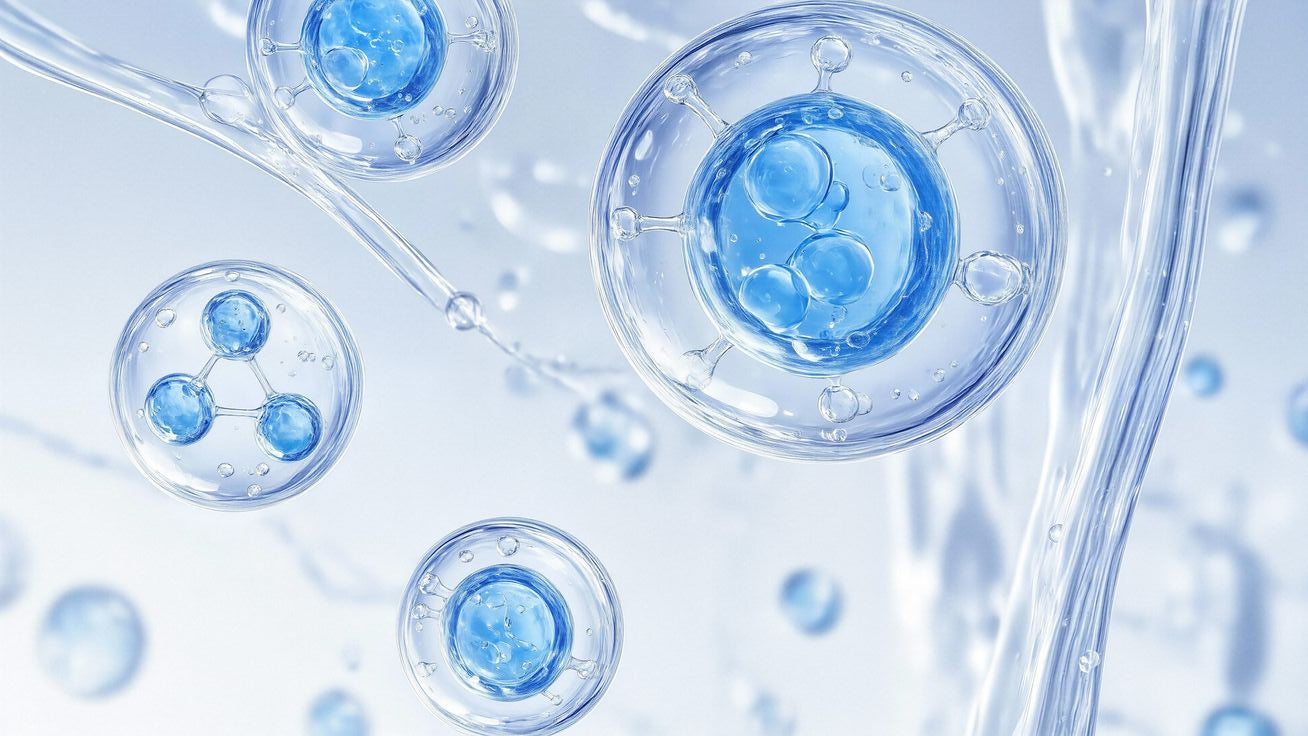
Hypochlorous acid, with the chemical formula HOCl, is a weak and short-lived acid. In the body, immune cells called neutrophils naturally produce HOCl while fighting microbes; thus, the molecule is a part of human biology. The form used in cosmetics and dermatology consists of technologically stabilized topical HOCl solutions; it is typically presented as an odorless, colorless spray/mist. An important distinction: HOCl is a gentle relative of bleach (sodium hypochlorite, NaOCl) brought to a very low and neutral pH.
How Does it Work on the Skin?
HOCl's power comes from its small, uncharged molecular structure, which allows it to quickly pass through the cell walls of microorganisms, neutralizing bacteria, viruses, and fungi through an oxidative effect. It is also effective on biofilms (resistant layers formed by microbes) and supports healing by increasing oxygenation in the applied area. Another feature that makes HOCl valuable for skincare is that it is not only antimicrobial but also exhibits anti-inflammatory (soothing) and anti-itch effects. This versatile profile makes HOCl usable even on sensitive and easily irritated skin; unlike bleach baths, it has been reported to work without disrupting the skin barrier. We discussed the importance of the barrier in detail in our skin barrier guide.
Effects on the Skin
| Effect | Description |
|---|---|
| Antimicrobial | Rapidly neutralizes bacteria, viruses, and fungi through oxidation; especially reduces S. aureus colonization. |
| Anti-inflammatory | Soothes redness and inflammation; may reduce the need for steroids. |
| Anti-itch (antipruritic) | Alleviates itching complaints in conditions like eczema. |
| Anti-biofilm | Breaks down the resistant layer formed by microbes, facilitating healing. |
| Healing support | Increases oxygenation in the application area, supporting wound and post-procedure recovery. |
Scientific Evidence
The effects of HOCl and its relative, sodium hypochlorite, on the skin have been studied, particularly in the field of atopic dermatitis (eczema). A review reported that diluted sodium hypochlorite ("bleach bath") provided clinical improvement in atopic dermatitis with anti-inflammatory and anti-itch effects, reducing the need for topical steroids/antibiotics. A clinical study in children showed that a washing product containing 0.006% sodium hypochlorite improved all symptoms after 6 weeks and reduced topical corticosteroid use by 36.5%. Another review emphasizes that diluted hypochlorite balances the surface microbiota without disrupting the skin barrier. Stabilized topical HOCl is considered an option for wound care and post-procedure scar management, with its antimicrobial, anti-biofilm, and healing properties, without the ocular/ear toxicity concerns associated with chlorhexidine.
Who is it Suitable For?
HOCl, with its gentle and permeable (no-rinse) nature, appeals to a wide audience:
- Acne-prone skin: Can be a supportive step as it reduces bacterial load and soothes inflammation.
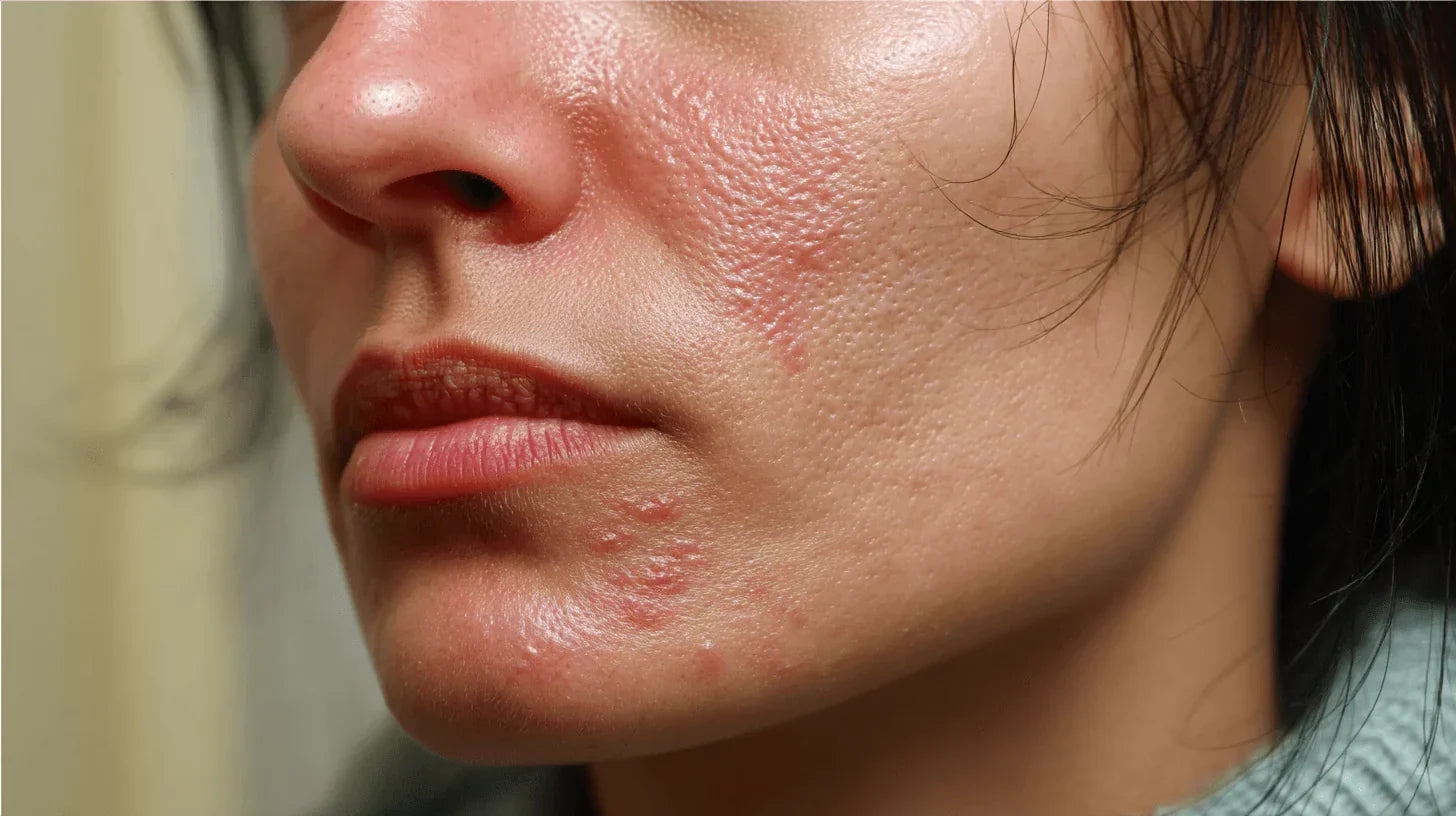
- Eczema and sensitive skin: Provides relief from itching and redness; does not burden the barrier. We discussed sensitive skin management in our sensitive skin guide.
- Rosacea and redness: With its soothing profile, it can accompany the rosacea routine; details in our rosacea guide.
- Post-procedure skin: For gentle antisepsis and healing support after microneedling, peeling, or laser; see our post-laser care guide.
- Mask-wearing skin (maskne): Can be used as a refreshing antimicrobial mist throughout the day.
How to Use?
HOCl is usually in spray/mist form and does not require rinsing. After cleansing, it is sprayed onto the face before other serums and moisturizers, allowed to dry, and then the routine is continued. It can be refreshed 1-2 times a day, or more frequently if needed. It can be safely used on all skin types; its tolerability even around the eyes is an advantage compared to antiseptics like chlorhexidine. Since the molecule loses its stability over time after opening, attention should be paid to the product's shelf life and storage conditions.
HOCl or Bleach Bath?
"Bleach baths" (diluted bleach baths) have been used for many years in eczema management; however, this is a procedure that should be done under medical advice and at very low concentrations. Uncontrolled use of bleach at home is dangerous. Cosmetic HOCl mists, on the other hand, are already stabilized, low-concentration, and neutral pH formulas, making them more suitable for daily use. Therefore, "hypochlorous acid spray" and "bleach" should not be confused.
Soothing and Barrier-Supportive Care at Medicblu
Although HOCl is an antimicrobial mist used alone and is not currently in our collection, you can complete your routine with soothing and barrier-supportive products that address the same needs (sensitivity, acne, post-procedure recovery):


Frequently Asked Questions
Is hypochlorous acid bleach?
No. Bleach is sodium hypochlorite (NaOCl) and is a high pH, irritating substance. Hypochlorous acid (HOCl), on the other hand, is a low-concentration, neutral pH, skin-friendly, and stabilized formula. They are not the same thing.
Can hypochlorous acid be used daily?
Yes, stabilized cosmetic HOCl mists can generally be used 1-2 times a day, or even more frequently if needed. Its gentle nature makes it tolerable even for sensitive skin; however, testing on a small area when starting a new product is a good habit.
Is HOCl good for acne?
HOCl, with its bacterial load-reducing and inflammation-soothing profile, can support acne care; however, it is not a standalone acne treatment but a soothing step that complements the routine. For stubborn acne, a specialist should be consulted.
Can I use HOCl with retinol or acids?
Generally, yes. HOCl is a no-rinse, neutral mist that is applied before other actives and allowed to dry. It can also serve as a soothing intermediate step during periods of intense active use.
Conclusion
Hypochlorous acid, naturally produced by the immune system, offers antimicrobial, soothing, and healing properties, making it a gentle active even for sensitive and acne-prone skin. Its scientific support in eczema and post-procedure care makes it an ingredient that should be taken seriously beyond viral trends. To create a soothing skincare routine suitable for your skin, you can benefit from our free skincare consultation.
References
- Gold MH, Andriessen A, Bhatia AC, et al. Topical stabilized hypochlorous acid: The future gold standard for wound care and scar management in dermatologic and plastic surgery procedures. J Cosmet Dermatol. 2020;19(2):270-277. PMID: 31904191 · DOI: 10.1111/jocd.13280
- Krynicka K, Trzeciak M. The role of sodium hypochlorite in atopic dermatitis therapy: a narrative review. Int J Dermatol. 2022;61(9):1080-1086. PMID: 35167708 · DOI: 10.1111/ijd.16099
- Majewski S, Bhattacharya T, Asztalos M, et al. Sodium hypochlorite body wash in the management of Staphylococcus aureus-colonized moderate-to-severe atopic dermatitis in infants, children, and adolescents. Pediatr Dermatol. 2019;36(4):442-447. PMID: 30983053 · DOI: 10.1111/pde.13842
- Maarouf M, Shi VY. Bleach for Atopic Dermatitis. Dermatitis. 2018;29(3):120-126. PMID: 29762205 · DOI: 10.1097/DER.0000000000000358