Post-Laser Skincare: A Scientific Guide to Rapid Recovery
Prepared by Pharmacist Berfin Işık. As a pharmacist specializing in pharmaceutical and cosmetic formulations, she follows the current scientific literature on post-laser skin care and dermatological active ingredients. This content is for informational purposes only and does not substitute for medical advice.
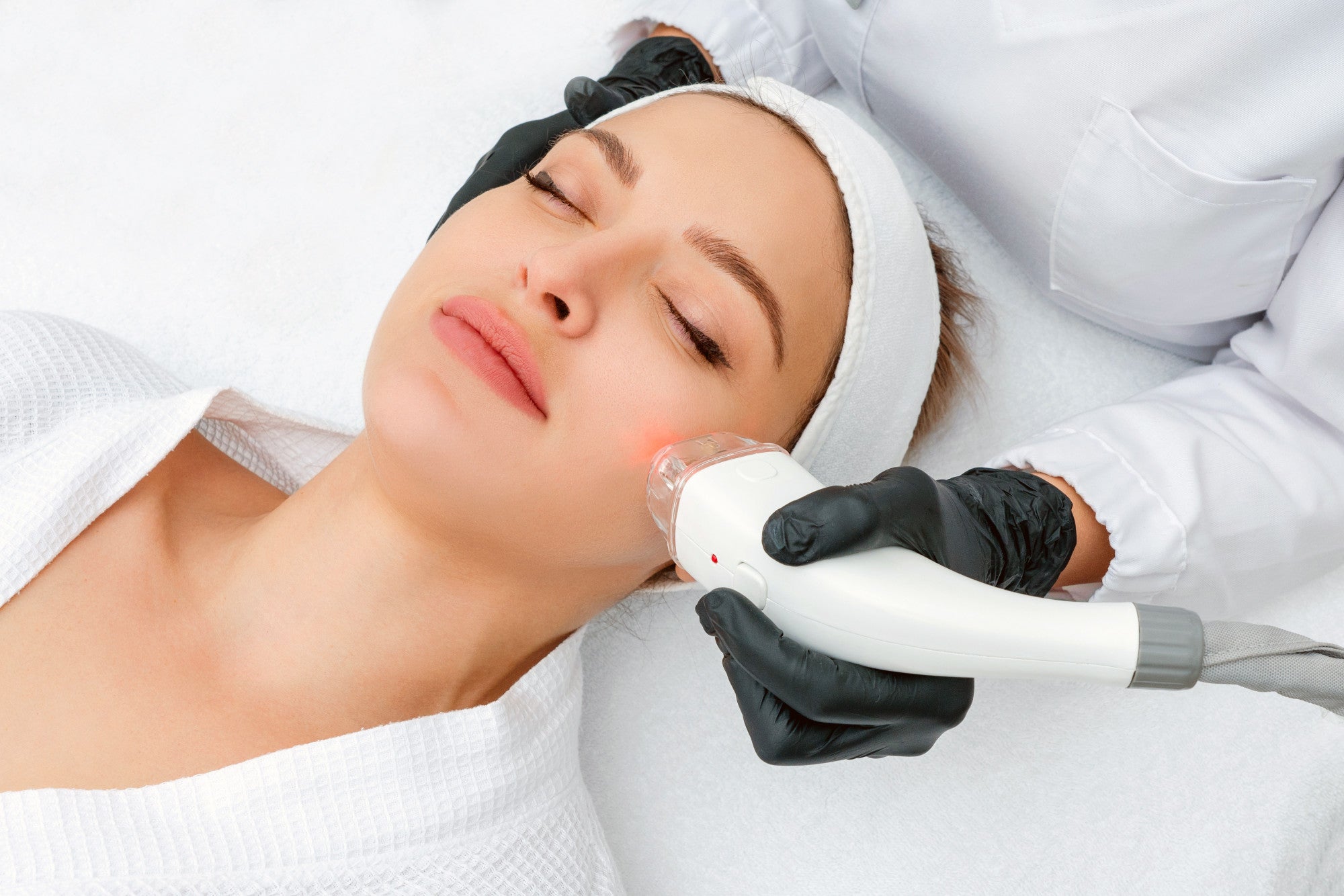
Post-laser skin care is the most critical stage, directly determining the success of the treatment. Laser applications such as Fractional CO₂, Er:YAG, or IPL create controlled damage in the skin, triggering regeneration; however, proper management of this process determines both the healing speed and the quality of the results. Scientific studies show that topical ingredients used after laser treatment can shorten the duration of redness, prevent post-inflammatory hyperpigmentation, and significantly increase the rate of skin repair. In this guide, the biological basis of post-laser skin care and clinically proven ingredients are discussed from a pharmacist's perspective.
What Happens to the Skin After Laser Treatment?
Laser treatments affect the epidermis and dermis at different depths depending on energy intensity and target tissue. This effect triggers three consecutive biological phases:
- Inflammation Phase (0–3 days): Redness, swelling, increased heat, and sensitivity are prominent. Macrophages (the body's cleanup cells) and neutrophils (the body's first aid/emergency response teams) migrate to the area, initiating repair signals.
- Proliferation Phase (3–21 days): Fibroblasts are activated and begin to produce collagen types I and III. Epidermal regeneration occurs with keratinocyte migration. This means the surface is resurfaced, and the wound heals through the migration of cells in the outermost layer of the skin.
- Remodeling Phase (21 days – 1 year): Collagen fibers reorganize, skin tone evens out, and tissue stiffness decreases.
In ablative lasers, which renew the skin by resurfacing it, such as CO₂ and Er:YAG, the healing process is more intensive due to controlled ablation (partial vaporization) of the tissue; in non-ablative methods (Nd:YAG, IPL), superficial damage is minimal. In both scenarios, proper topical care accelerates the repair phases and reduces the risk of complications.
Key Mechanisms of Action in Post-Laser Care
| Ingredient | Mechanism of Action |
|---|---|
| Centella Asiatica (Asiaticoside, Madecassoside, Asiatic Acid) | Suppresses pro-inflammatory cytokine release by inhibiting NF-κB; stimulates fibroblast proliferation and collagen synthesis; significantly reduces post-laser redness and crust formation. |
| EGF (Sh-Oligopeptide-1 / Epidermal Growth Factor) | Binds to EGF receptors in the epidermis, triggering keratinocyte migration and fibroblast activation; accelerates epidermal re-epithelialization after laser ablation and reduces the formation of post-inflammatory hyperpigmentation (PIH). |
| Beta-Glucan | Activates macrophages to increase growth factor release; supports tissue formation, significantly improves surface healing after fractional laser compared to placebo. |
| Copper Tripeptide-1 (GHK-Cu) | Copper chelate peptide; reduces oxidative stress by activating superoxide dismutase, increases fibroblast activity, and supports collagen and elastin synthesis in all phases of wound healing. |
| Panthenol + Allantoin | Panthenol (Pro-vitamin B5) increases the water-binding capacity of the stratum corneum while stimulating cell regeneration. Allantoin, with its keratolytic and soothing effect, shortens the inflammation phase; together, they enhance comfort during post-laser healing. |
Scientific Evidence
The effect of Centella asiatica extract on post-laser healing was tested in a 2020 randomized, placebo-controlled split-face study (Damkerngsuntorn et al., PMID 32310680). A standardized Centella asiatica extract gel (ECa 233 0.05%) was applied to one side of the face of 30 volunteers who underwent 2940 nm Er:YAG laser for acne scars, and a placebo was applied to the other side. The side treated with ECa 233 showed a significantly lower erythema index compared to the placebo side throughout the follow-up period; on the second, fourth, and seventh days, dermatologist assessments showed superior scores for wound appearance, redness, and crusting compared to placebo.
In a randomized controlled study comparing post-fractional ablative laser healing with topical EGF cream, the incidence of post-inflammatory hyperpigmentation and melanin index was significantly lower in the treatment group compared to the control group. Similarly, a split-face study (PMID 35942017) examining the effectiveness of fractional CO₂ laser + topical EGF combination on atrophic acne scars revealed that scar assessment scores and healing times were significantly better on the EGF-treated side compared to placebo.
A split-face, double-blind, vehicle-controlled clinical study (PMID 33128496) evaluating post-laser skin care with beta-glucan reported that surface healing, moisture content, and barrier function returned significantly faster on the side treated with a beta-glucan containing regimen after fractional laser compared to placebo.
What to Avoid After Laser Treatment
Just as important as using the right ingredients is avoiding harmful ones, which is a fundamental rule for post-laser healing. For the first 72 hours, and for the first 2 weeks in most protocols:
- Retinol, AHA, BHA, PHA: Acid irritation increases the risk of severe irritation and PIH in open dermis.
- High-concentration niacinamide (5%+): Can cause a burning sensation in sensitive tissue; lower concentrations may be tolerated.
- Fragrance and alcohol-containing products: Increase tissue dryness and inflammation.
- Physical exfoliation: Abrasion of the surface disrupts the re-epithelialization process.
- Unprotected sun exposure: UV light causes oxidative damage and permanent discoloration on immature dermal collagen.
Gradual Post-Laser Care Protocol
Days 1–3 (Acute Inflammation Phase): Cleanse the face morning and evening with a mild, pH-balanced, sulfate-free cleanser, then gently apply a soothing cream containing Centella asiatica derivatives and Panthenol. Do not start active serums during this period.
Days 4–7 (Crust and Transition Phase): Allow crusts to fall off naturally. Add light serums containing Beta-Glucan to strengthen barrier support. Broad-spectrum SPF 50+ mineral sunscreen is mandatory.
Weeks 2–4 (Proliferation Phase): Growth factor creams containing EGF can be added to the repair regimen. Collagen masks can be applied twice a week to support the repair cycle. The routine can be gradually enriched during this period.
Recommended Products for Post-Laser Skin Care at Medicblu


For soothing care during the first few days after laser treatment, Theraderm YES Cream repairs the delicate skin barrier, while Genosys Skin Rescue Overnight Cream Mask provides intensive moisture and repair support overnight during the proliferation phase. You can also check our skin barrier guide to learn how to repair the skin barrier.
Frequently Asked Questions
When can I return to my normal skincare routine after laser treatment?
After ablative laser treatments, only restorative and soothing products should be used for the first 7-10 days. Active ingredients like Retinol, AHA, and BHA can be incorporated into the routine at the earliest in the 4th week, and only with dermatologist approval. For non-ablative methods, this period is generally shorter and requires individual assessment.
Is Centella asiatica truly effective after laser treatment?
Yes. A clinical study conducted in 2020 with a randomized double-blind split-face design proved that Centella asiatica extract significantly reduced the erythema index and improved wound appearance compared to placebo after Er:YAG laser treatment. These data are applicable to formulations containing asiaticoside, madecassic acid, and asiatic acid fractions.
Is it safe to use EGF cream after laser treatment?
Multiple randomized controlled studies have shown that topical EGF application is both safe and effective after fractional ablative laser. The incidence of post-inflammatory hyperpigmentation and melanin index were significantly lower on the EGF-treated sides compared to the control group.
How important is sunscreen after laser treatment?
It is undoubtedly the most important step in post-laser skin care. Newly formed dermal collagen and epidermis are extremely vulnerable to UV radiation; unprotected exposure leads to permanent post-inflammatory hyperpigmentation and uneven skin tone. Mineral-based SPF 50+ broad-spectrum formulas must be used from the first day after laser treatment.
Should I force off scabs after laser treatment?
Absolutely not. Scabs serve as a natural protective barrier until epidermal re-epithelialization is complete. Forcibly removing them increases the risk of infection and permanent scarring. Applying a restorative cream helps the scabs to fall off naturally and on their own.
When can I use a mask after laser treatment?
After the acute inflammation phase has passed, and when there are no open wounds on the surface (usually from day 4-5 onwards), gentle sheet masks containing Hydrolyzed Collagen and Centella can be used. Masks containing clay, activated charcoal, or exfoliating ingredients are contraindicated during the post-laser period and should be strictly avoided.
Conclusion
Post-laser skin care is a dynamic process that requires different ingredient needs for each phase of inflammation, cell regeneration, and remodeling. Formulations containing clinically proven Centella asiatica fractions, EGF, Beta-Glucan, and Copper Tripeptide-1 can significantly contribute to all stages of this process. When proper product selection, awareness of ingredients to avoid, and continuous SPF protection are combined, the results of laser treatment can be maximized.
Scientific References
- Damkerngsuntorn W et al. The Effects of a Standardized Extract of Centella asiatica on Postlaser Resurfacing Wound Healing on the Face: A Split-Face, Double-Blind, Randomized, Placebo-Controlled Trial. J Altern Complement Med. 2020;26(6):529-536. PMID: 32310680
- Administration of skin care regimens containing β-glucan for skin recovery after fractional laser therapy: A split-face, double-blinded, vehicle-controlled study. J Cosmet Dermatol. 2020. PMID: 33128496
- The Efficacy and Safety of Epidermal Growth Factor Combined with Fractional Carbon Dioxide Laser for Acne Scar Treatment: A Split-Face Trial. J Clin Aesthet Dermatol. 2022. PMID: 35942017