What Is the Skin Barrier? How Does It Get Damaged, How Can It Be Repaired?
"The skin barrier is the foundation upon which your entire skincare routine is built. As long as this foundation is strong, the active skincare ingredients used will be maximally effective."
– Pharm. Berfin Işık, Pharmacist and Skincare Specialist
The skin barrier is the protective structure formed by the Stratum Corneum, the outermost layer of the skin, which protects the skin from external threats while preventing transepidermal water loss (TEWL). If your skin barrier is weak, no serum, mask, or cream will deliver the results you desire. In this article, we will comprehensively cover how the barrier works, why it becomes compromised, and scientifically backed repair methods.
What is the Skin Barrier?
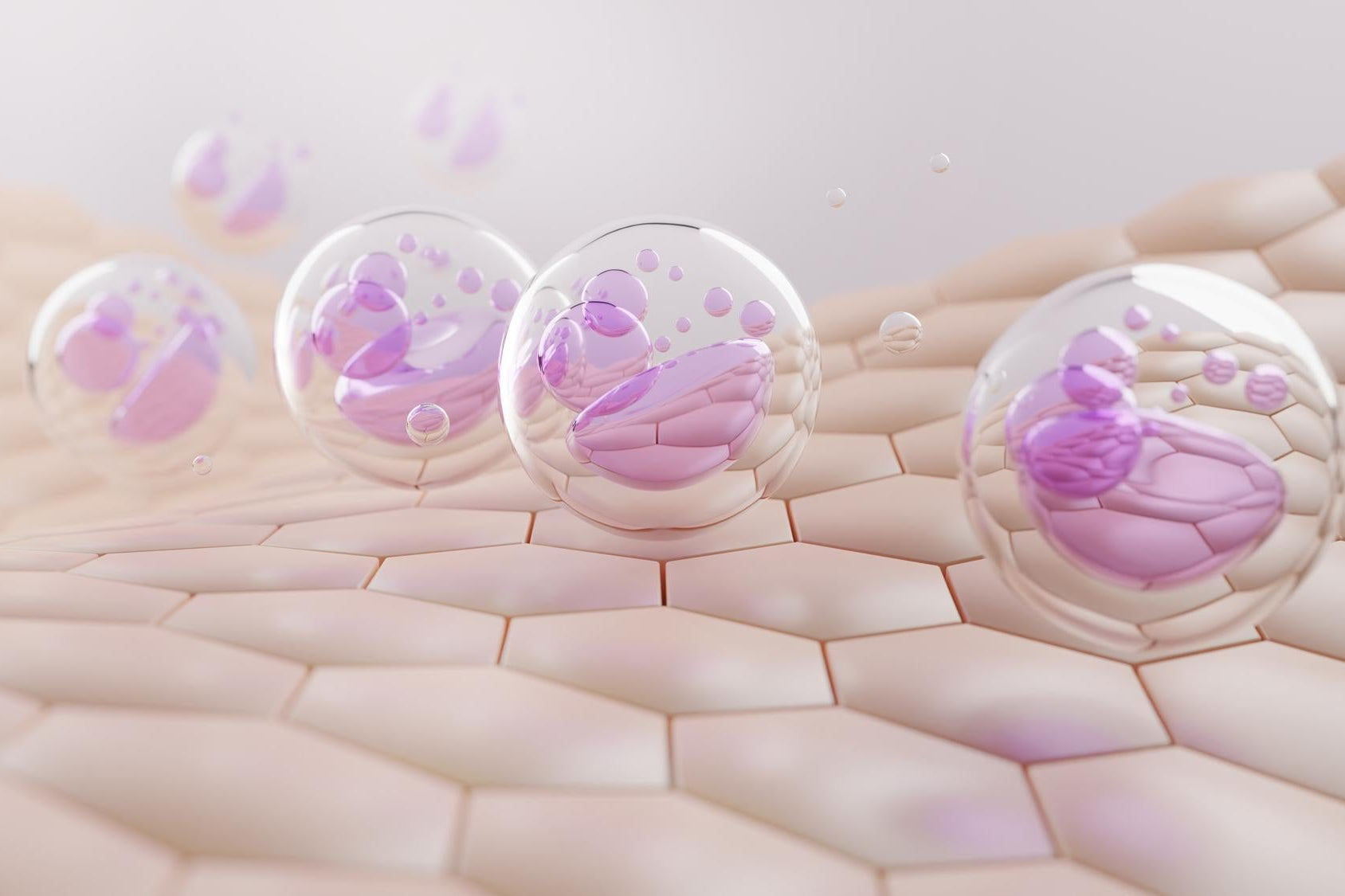
The skin barrier is a shield-like structure formed by the stratum corneum, the outermost layer of the skin, and the lipid layer. Scientists describe it with the "brick and mortar" model: the bricks represent dead skin cells, and the mortar represents the lipid composition of ceramides, fatty acids, and cholesterol.
Simply put: The skin barrier is the protective wall of the skin. It keeps water in while keeping bacteria, viruses, and harmful chemicals out.
- Ceramides: Account for approximately 50% of the skin's moisture retention capacity.
- Fatty Acids and Cholesterol: Complete the lipid structure, preventing moisture loss.
- Proteins: Proteins like filaggrin ensure the integrity of the stratum corneum.
How Does the Skin Barrier Work?
1. Preventing Moisture Loss (TEWL)
TEWL (Transepidermal Water Loss) is the skin's water loss. In a healthy barrier, this rate is quite low, but in a damaged barrier, it can increase 2-3 times.
2. Protection from External Threats
The skin barrier protects the skin from bacteria, allergens, and harmful UV radiation.
Signs of a Damaged Barrier
| Symptom | Explanation |
|---|---|
| Extremely Dry Skin | Dryness persists despite moisturizer application due to increased TEWL. |
| Sensitivity and Burning | Reacts quickly to products, cold, and heat. |
| Itching and Tightness | Irritant peptides are released when the lipid structure is disrupted. |
| Redness and Inflammation | Inflammation increases due to disruption of the natural microbiome. |
| Hypersensitivity to Products | Even normally tolerated products can cause burning. |
What Harms the Skin Barrier?
- Over-cleansing: Harsh cleansers disrupt the natural oil balance of the stratum corneum.
- Aggressive Actives: Incorrect use of high concentrations of retinol, benzoyl peroxide, AHA/BHA.
- Environmental Factors: Low humidity, UV damage, air pollution.
- Over-exfoliation: Frequent peels can erode the barrier.
- Stress and Lack of Sleep: Cortisol levels reduce ceramide production.
Barrier Repair Ingredients
| Ingredient | Mechanism | Efficacy |
|---|---|---|
| Ceramides | Directly replenishes lipid composition | ★★★★★ Most effective |
| Niacinamide | Stimulates ceramide and fatty acid synthesis | ★★★★☆ Very good |
| Hyaluronic Acid | Humectant — attracts and holds water | ★★★☆☆ Supportive |
| Panthenol | Soothing, humectant, mild repair | ★★★☆☆ Supportive |
How to Repair the Skin Barrier?
- Minimize cleansing: Lukewarm water, pH-neutral cleanser, max 2 times a day.
- Stop irritants: Discontinue retinol, AHA/BHA, Vitamin C serum for 4-6 weeks.
- Add ceramides: Use a ceramide-containing cream twice a day.
- Increase humidity: Room humidity 40-50%, avoid hot showers.
- Consistent use: Mild damage 2-4 weeks, moderate damage 4-8 weeks, severe damage 8-12 weeks.
Barrier Repair Product at Medicblu
Genosys Skin Barrier Protecting Cream (SPC) — a nourishing cream formulated for sensitive and barrier-damaged skin, containing ceramide complex, Centella asiatica, and panthenol.
Frequently Asked Questions
How long does it take for the skin barrier to repair?
Mild damage may take 2-4 weeks, moderate damage 4-8 weeks, and severe damage 8-12 weeks.
Does retinol damage the skin barrier?
Yes, especially when used in high concentrations. Discontinue retinol during the barrier repair process; restart with a low concentration once it has healed. You can refer to our Retinol Guide.
Do ceramide-containing products really make a difference?
Yes. Scientific studies show that ceramide application significantly reduces TEWL.
Conclusion
The skin barrier is the foundation of a healthy skincare routine. If your barrier is damaged, repair it first: reduce cleansing, eliminate irritants, add ceramides, and be patient.
Scientific References
- Elias PM. Skin barrier function. Curr Allergy Asthma Rep. 2008;8(4):299-305. PMID: 18606081
- van Smeden J, Janssens M, Gooris GS, Bouwstra JA. The important role of stratum corneum lipids for the cutaneous barrier function. Biochim Biophys Acta. 2014;1841(3):295-313. PMID: 24252189
- Meguro S, et al. Relationship between covalently bound ceramides and transepidermal water loss (TEWL). Arch Dermatol Res. 2000;292(9):463-8. PMID: 11000290
- Rawlings AV, Harding CR. Moisturization and skin barrier function. Dermatol Ther. 2004;17 Suppl 1:43-48. PMID: 14728698