What is Retinol? A Scientific Usage Guide for Beginners
"Retinol is one of dermatology's most powerfully proven active ingredients, backed by decades of clinical research — but using the correct starting dose is critical."
– Pharmacist Berfin Işık, Pharmacist and Skincare Expert
Retinol is a topical form of vitamin A and is considered one of the most scientifically evidenced active ingredients in skincare. In this guide, we explain what retinol is, how it works on the skin, what concentration to start with, and its difference from alternatives like Bakuchiol and Tretinoin, all with scientific data.
What is Retinol?
Retinol is a topically used form of the vitamin A family (retinoids). It exerts its biological effect on the skin by converting to retinoic acid via retinaldehyde. Used in dermatology since the 1970s, retinol is one of the most strongly evidence-based topical actives for its effects on photoaging, acne, and hyperpigmentation.
Simply put: Retinol is a vitamin A derivative that increases skin renewal rate and supports collagen production.
How Does It Work on the Skin?
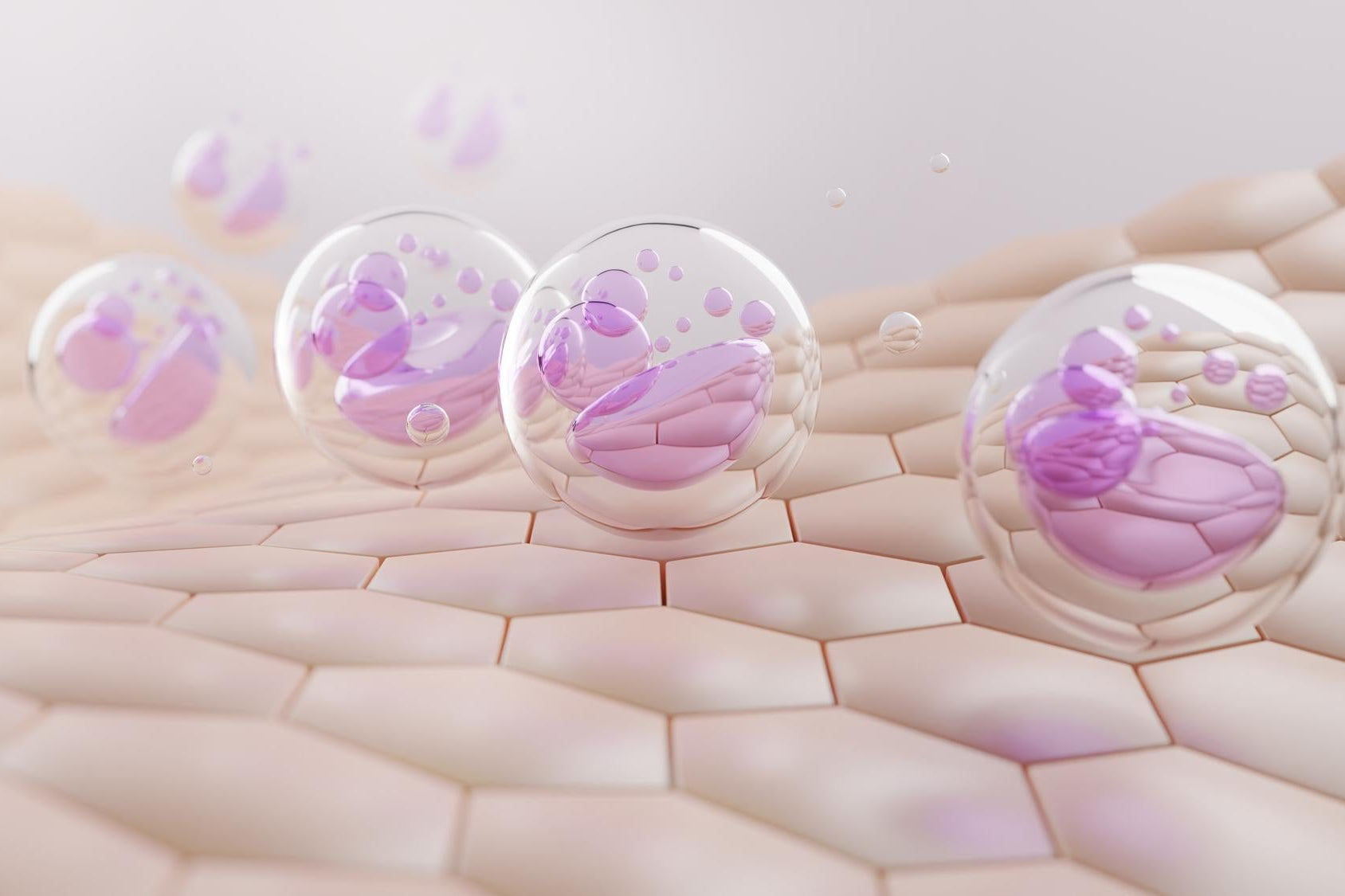
Retinol accelerates cell turnover by regulating keratinocyte differentiation. It activates fibroblasts, increasing type 1 procollagen synthesis, and suppresses matrix metalloproteinase (MMP) enzymes. This dual action both preserves existing collagen and promotes new collagen production. It also reduces the appearance of spots by regulating melanocyte activity.
Simply put: Retinol accelerates your skin's self-renewal and boosts its collagen factory.
Effects on the Skin
| Effect | Description |
|---|---|
| Collagen Synthesis | Increases type 1 procollagen production through fibroblast activation |
| Cell Renewal | Increases keratinocyte turnover rate, allowing faster shedding of dead cells |
| Pore Appearance | Reduces cell buildup, unclogging pores |
| Hyperpigmentation | Regulates melanocyte activity, reducing the appearance of spots |
| Fine Lines | Smoothes superficial wrinkles, refines skin texture |
| Acne | Prevents comedone formation, preventing pore blockage |
Scientific Evidence
Kafi et al.'s 2007 study showed that low-concentration retinol application significantly reduced fine wrinkles and increased glycosaminoglycans and procollagen-1 in the dermis over 24 weeks. Mukherjee et al.'s comprehensive 2006 review confirms the efficacy of retinoids in treating photoaging and acne across dozens of studies.
Ingredients Often Confused with Retinol
The retinol family and its alternatives are often confused:
| Component | Strength | Irritation Risk | Who Is It For? |
|---|---|---|---|
| Tretinoin (Retinoic Acid) | Strongest — Prescription | High | Under dermatologist supervision |
| Retinol | Medium — OTC | Medium | General use |
| Retinaldehyde | Medium-high | Medium | Sensitive but wants fast results |
| Bakuchiol | Low-medium | Very Low | Sensitive skin, pregnancy alternative |
| AHA/BHA | Different mechanism | Low-medium | Surface renewal, acne |
Beginner's Guide: What Concentration Should I Start With?
For retinol beginners, choosing the right concentration is critical. It is recommended to start with 0.025-0.05% once a week, then use 2-3 nights a week, and gradually increase the concentration after 4-6 weeks. The "Sandwich method" (moisturizer → retinol → moisturizer) reduces irritation. Using retinol with PDRN in post-procedure care in the same routine enhances the renewal effect.
How to Use?
Retinol is only used in the evening routine. Application: 1. Cleanse and dry skin with a gentle cleanser. 2. Apply a pea-sized amount of retinol to completely dry skin, excluding the eye area and upper lip, with dabbing motions, do not massage in. 3. Wait 20-30 minutes (optional). 4. Apply moisturizer. Always use SPF in the morning — retinol use makes the skin more sensitive to UVA/UVB. 365-day sunscreen use is mandatory with retinol.
Who Should Be Careful?
Pregnant and breastfeeding women, individuals with active eczema or rosacea, and those with very sensitive, compromised skin barriers should be careful at first. Herbal alternatives like bakuchiol can be considered for these groups. Starting retinol without strengthening the barrier can increase irritation.
Retinol Alternative Product at Medicblu
Genosys Multi Functional Anti Wrinkle Serum and Cream
This multifunctional serum and cream containing bakuchiol offers a retinol-like cell renewal effect in a formulation that sensitive skin can tolerate. It is formulated to reduce the appearance of wrinkles and support skin firmness — with minimal risk of irritation.
Frequently Asked Questions
Is retinol used every night?
It is recommended to introduce retinol to the skin gradually, starting once a week, then 2 nights the second week, and 3 nights the third week. As the skin adapts, it can be used up to 5 nights a week. Using it every night from the start can lead to irritation, flaking, and redness.
Is sunscreen absolutely necessary when using retinol?
Yes, it is mandatory. Since retinol accelerates cell turnover, newly formed cells are more sensitive to UV rays. SPF 30 and higher sunscreen should be used every morning.
Can retinol and niacinamide be used together?
Yes, this duo is a powerful combination. Niacinamide's anti-inflammatory effect reduces the irritation that retinol can cause. Both can be used simultaneously, or niacinamide in the morning and retinol in the evening. (pHformula Vita B3 cream has a perfect carrier system for use with retinol products)
Can retinol be used during pregnancy?
No. All retinoid forms are not recommended during pregnancy. Bakuchiol is a safe herbal alternative for use during pregnancy.
When does retinol show results?
Improvements in skin texture and brightness can be observed in the first 4-6 weeks. For significant results on wrinkles and deep spots, 12-24 weeks of regular use are necessary.
Conclusion
Retinol continues to be one of the most effective active ingredients in skincare, with the right concentration and frequency of use. For beginners, starting with a low concentration, not neglecting sunscreen, and consistency are the most important rules. For sensitive skin, bakuchiol-containing alternatives offer similar renewal effects with a gentler formula.
Scientific References
- Mukherjee S, Date A, Patravale V, et al. Retinoids in the treatment of skin aging: an overview of clinical efficacy and safety. Clin Interv Aging. 2006;1(4):327-348. PMID: 18046911
- Kafi R, Kwak HS, Schumacher WE, et al. Improvement of naturally aged skin with vitamin A (retinol). Arch Dermatol. 2007;143(5):606-612. PMID: 17515510
- Zasada M, Budzisz E. Retinoids: active molecules influencing skin structure formation in cosmetic and dermatological treatments. Postepy Dermatol Alergol. 2019;36(4):392-397. PMID: 31616211