The Fundamental Question of Resistant Acne; Bacterial or Fungal?
Navigating Skin Transformation in the World of Malassezia Fungi
Resistant acne that won't go away no matter what you try can be a terrifying nightmare and sometimes lead you to despair. In this blog post, we delve into the complex world of acne, focusing specifically on Malassezia fungi, and the dilemma of being torn between becoming a chemist or simply applying cosmetics to our faces.
Understanding the Culprit: Bacteria or Fungus?
Traditionally, acne has often been associated with bacteria, particularly "Propionibacterium acnes," which gives acne its name. However, in recent years, the role of fungi, especially Malassezia, in the development of resistant acne has been illuminated. Malassezia fungi, naturally present on the skin, can sometimes overgrow, causing inflammatory responses and leading to acne breakouts.
Types of Malassezia Fungi
The genus Malassezia includes various species, each with its own characteristics. Some common species include M. furfur, M. globosa, and M. restricta. The foods that each Malassezia species can digest differ; therefore, understanding the specific type can help in precisely identifying ingredients to avoid.
What Do Malassezia Fungi Feed On?
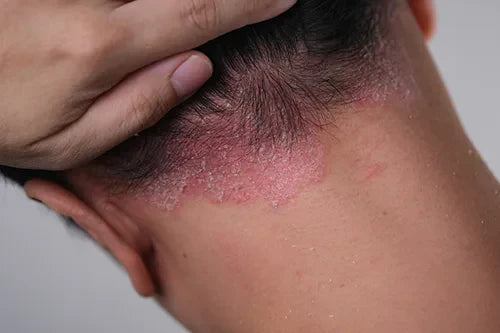
Malassezia fungi feed on certain substances found in skincare products. Fatty acids, oils with C11-20 carbon chains, some esters, certain drying alcohols, some PEG codes, some polysorbates, etc., can serve as a nutrient source for these fungi, even in very small amounts. When the fungal population reaches numbers far exceeding what is normal, it activates killer cells. This metabolic activity results in inflammation in the area, which can lead to thinning skin, persistent red patches, itchy breakouts without a head, and contribute to acne formation.
Is Clear Skin Without Being a Chemist a Dream?
You've learned that your Seborrheic Dermatitis, which has been on your scalp for years, has spread to your face, or that you have fungal acne. You now know that 90% of cosmetics will trigger your acne, and if you don't choose every product with great care, the outcome will be disastrous. The million-dollar question now is: will you choose to become an amateur chemist, or will you completely abandon cosmetics and seek salvation in makeup?
Becoming a Skincare Chemist
Forget about learning hundreds of thousands of ingredients in the cosmetic industry and becoming your own chemist. Products labeled "non-comedogenic," which are less likely to clog pores, will reduce the risk but won't be enough. This is because some non-comedogenic ingredients can also feed Malassezia fungi. Of course, you can't turn your skin into a testing ground. So what will you do? We have good news for you. We've done it for you. With our "Anti-Fungi" series products in the "Malassezia-Safe" category, which we have purified from substances that Malassezia fungi (including all species) can feed on, we take care of the chemistry part; all that's left for you is peace of mind.
Beware of Makeup!
Even if lipsticks and eyeshadows can be tolerated, most complexion makeup products will feed the hidden invader on your skin. No matter how many "Malassezia-Safe" category cosmetics you use, your symptoms may not be fully controlled if you don't completely cut off the fungus's food supply. In this case, it would be wise to limit complexion makeup to special occasions and use oil-free & mineral makeup products. Remember, the Malassezia population is affected by a wide range of metabolic events, from the balance of prebiotics in the gut to stress management.
Effective Elimination
The key lies in customization. Ceramide creams, stick sunscreens, retinol and its derivatives, cica creams, moisturizers, alcoholic toners, L-Ascorbic form of vitamin C, and even Alcohol Denat, which oily skin loves, all of which work for many skin types, will affect you. Besides, a minimal "Malassezia-Safe" skincare routine tailored to your specific needs will be sufficient to achieve clear skin.
Consulting a Dermatologist
Dealing with skin problems caused by Malassezia fungus can be complex. In this case, the guidance of an experienced dermatologist is crucial. An expert doctor can assess your skin's specific needs and create the most suitable treatment plan for you. They can also provide personalized recommendations on antifungal treatment options, appropriate skincare routines, and the types of products you should use. Seeking professional support instead of trying self-treatment prevents wasted time and protects your skin from further damage.
Conclusion: Finding Balance on the Acne Journey
In the quest for clear and healthy skin, understanding the potential role of Malassezia fungi in acne development can open new doors for effective skincare. Whether you choose to meticulously examine ingredients or lean on brands working in the Malassezia-Safe category like a mountain (see: US); the key is to find balance. Your skin is one of a kind and irreplaceable, so do not risk chemical burns by experimenting with products. Seeking professional guidance is the cornerstone of achieving radiant skin and conquering resistant acne.
Scientific References
- Saunte DML, Gaitanis G, Hay RJ. (2020). Malassezia-Associated Skin Diseases, the Use of Diagnostics and Treatment. Front Cell Infect Microbiol. 2020;10:112. PMID: 32266163
- Rubenstein RM, Malerich SA. (2014). Malassezia (Pityrosporum) folliculitis. J Clin Aesthet Dermatol. 2014;7(3):37-41. PMID: 24688625
- Zaenglein AL, Pathy AL, Schlosser BJ, et al. (2016). Guidelines of care for the management of acne vulgaris. J Am Acad Dermatol. 2016;74(5):945-973. PMID: 26897386
- Hald M, Arendrup MC, Svejgaard EL, et al. (2015). Evidence-based Danish guidelines for the treatment of Malassezia-related skin diseases. Acta Derm Venereol. 2015;95(1):12-19. PMID: 25494545