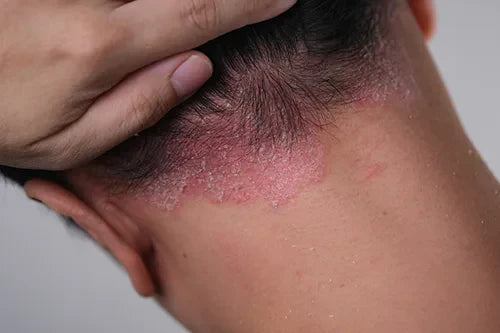
Seborrheic Dermatitis Management
Coping with seborrheic dermatitis requires a multifaceted approach, as the impact and severity of this common skin condition can vary widely. While there is no one-size-fits-all solution, several practical strategies can help manage and alleviate the symptoms of seborrheic dermatitis. In this blog post, we will explore practical and effective ways to cope with seborrheic dermatitis, focusing on improving the quality of life for those dealing with this chronic skin condition.
1. Moisturizing is Essential
Moisturizing plays a fundamental role in the management of seborrheic dermatitis. The proper choice of moisturizer protects the skin's natural barrier and helps maintain its moisture balance. Opt for fragrance-free and lightweight moisturizers formulated for sensitive skin.
2. Choose Gentle Skincare Products
Opt for mild, fragrance-free, alcohol-free skincare products. Soaps and cleansers containing harsh surfactants can strip the skin of its natural oils, exacerbating seborrheic dermatitis symptoms. Look for products that state they are suitable for sensitive skin and are free from perfumes, dyes, and other potential irritants.
3. Wear Breathable Fabrics
Clothing can play a significant role in managing seborrheic dermatitis. To reduce irritation, choose soft, breathable fabrics like cotton. Avoid wool and synthetic materials, as these can cause friction and trap heat, triggering flare-ups.
4. Identify and Avoid Triggers
Understanding and avoiding triggers is critical in managing seborrheic dermatitis. Common triggers include yeast-containing foods like cheese and beer, allergens containing perfume and dye, harsh chemicals, and environmental factors such as humid environments. Keeping a diary to track when flare-ups occur can enable individuals to identify specific triggers and make informed lifestyle and dietary choices.
5. Mindful Bathing Practices
Bathing is important, just as adopting mindful practices is; fungal activity will increase on sweaty and damp skin. Use lukewarm water instead of hot water, limit bathing time, and opt for cleansers with a pH between 4.5-5.5, which are compatible with human skin, instead of basic classic soaps with a pH ranging from 9-11. Gently patting the skin dry after bathing, rather than rubbing vigorously, can help minimize irritation.
6. Prescription Medications and Topical Treatments
For more severe cases, dermatologists may prescribe topical corticosteroids or other immune-suppressing medications to reduce inflammation. It is important to adhere to the prescribed regimen, limit medication use to the specified duration, and consult regularly with healthcare professionals to adjust treatment if necessary.
7. Embrace Stress Management Techniques
Stress can worsen seborrheic dermatitis symptoms, making stress management crucial. Practices such as meditation, deep breathing exercises, and yoga can contribute to overall well-being and potentially help reduce the frequency and severity of seborrheic dermatitis flare-ups.
8. UV Light Therapy
Under the supervision of healthcare professionals, controlled exposure to ultraviolet (UV) light—for example, in a tanning bed—can be used as a therapeutic option to manage severe seborrheic dermatitis and psoriasis. This treatment, known as phototherapy, can help reduce inflammation and alleviate symptoms.
9. Consistency in Hydration and a Healthy Diet
Adequate daily water intake and a balanced diet can contribute to overall skin health. Drinking enough water and incorporating prebiotic-rich foods into your diet can restrict the food sources of Malassezia fungus, which is the cause of seborrheic dermatitis. In addition, avoiding high-fat foods such as roasted oily nuts and chips can make a difference, especially during flare-ups.
Conclusion
Managing seborrheic dermatitis requires a combination of careful lifestyle, skincare practices, and, in some cases, medical interventions. By adopting these practical strategies, individuals can go a long way in minimizing symptoms such as itching, acne breakouts, and inflammation, preventing flare-ups, and improving overall quality of life. In cases of uncontrollable flare-ups and attacks, it is important to consult healthcare professionals for specialized treatment plans.
Scientific References
- Saunte DML, Gaitanis G, Hay RJ. (2020). Malassezia-Associated Skin Diseases, the Use of Diagnostics and Treatment. Front Cell Infect Microbiol. 2020;10:112. PMID: 32266163
- Chang CH, Chovatiya R. (2024). More yeast, more problems?: reevaluating the role of Malassezia in seborrheic dermatitis. Arch Dermatol Res. 2024;316(4):100. PMID: 38472524
- Gupta AK, Nicol K, Batra R. (2004). Role of antifungal agents in the treatment of seborrheic dermatitis. Am J Clin Dermatol. 2004;5(6):417-22. PMID: 15663338
- Abels C, Angelova-Fischer I. (2018). Skin Care Products: Age-Appropriate Cosmetics. Curr Probl Dermatol. 2018;54:173-182. PMID: 30130785