pH in Skin Care: Why It's Vital
In the vast landscape of skincare, where numerous products promise radiant and flawless skin, a frequently overlooked factor is pH. The pH level of your skincare products plays a vital role in maintaining the delicate balance of your skin's health. In this blog post, we will unravel the significance of pH in skincare and explain why paying attention to it is critical.
Understanding pH
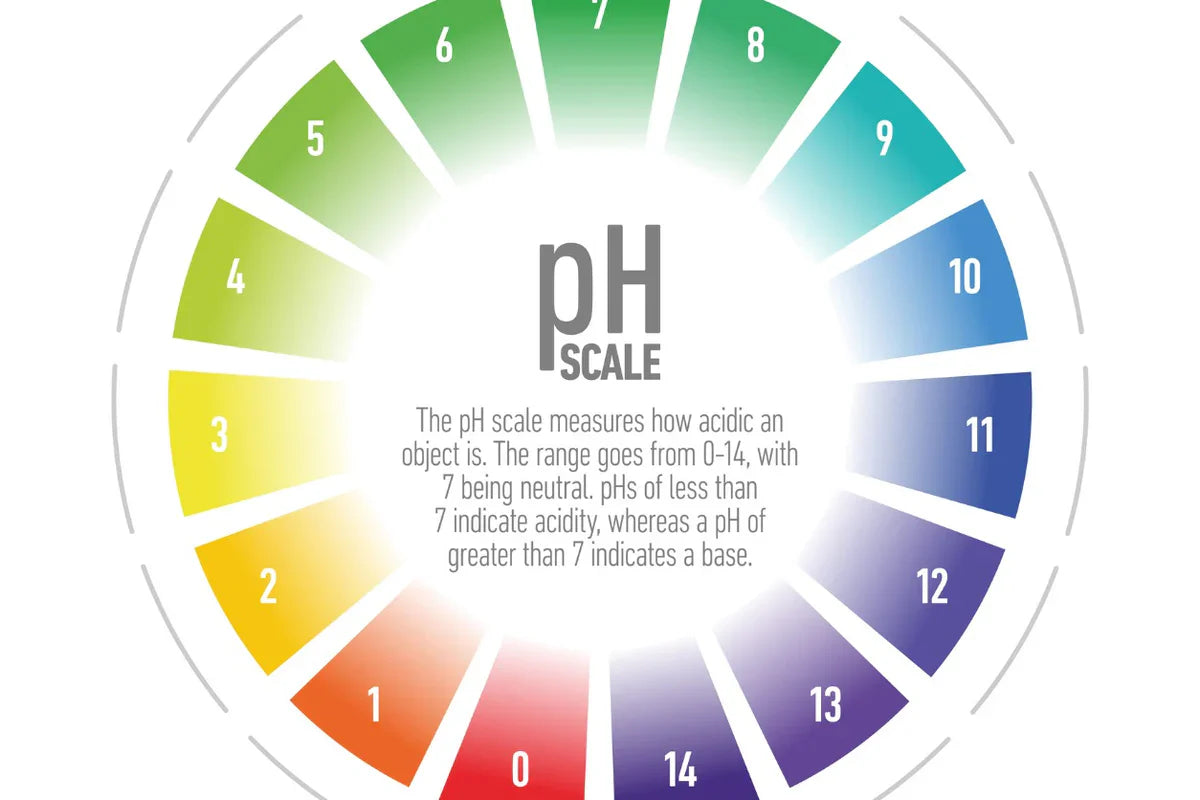
pH is a measure of a substance's acidity or alkalinity, operating on a scale from 0 to 14. While a pH of 7 is considered neutral, values below 7 are acidic, and values above 7 are alkaline. The skin's natural pH typically ranges from about 4.7 to 5.75, which is slightly acidic. This acidity is crucial for the skin's protective barrier and its ability to maintain resistance against harmful microorganisms.
Preserving the Acid Mantle
The skin has a thin protective layer composed of sebum (natural oils) and sweat. This acid mantle acts as a barrier, protecting the skin from bacteria, environmental pollutants, and moisture loss. The skin's slightly acidic pH is essential for maintaining the integrity of this protective layer.
The Impact of Altered pH
Using skincare products with an inappropriate pH can disrupt the skin's natural balance. Alkaline products, such as certain soaps, can strip away natural oils, leading to dryness, sensitivity, and potentially triggering skin conditions like eczema. On the other hand, excessively acidic products can cause irritation, skin thinning, and inflammation.
Cleansers and pH
Cleansers are an essential part of every skincare routine, but the pH of your cleanser is vitally important. Cleansers with a pH close to the skin's natural pH provide effective cleansing while preserving the acid mantle. Harsh, alkaline cleansers can disturb this delicate balance, leaving the skin vulnerable.
Impact on Active Ingredients
The pH of your skincare products can affect the bioavailability of active ingredients. For example, Vitamin C products in the form of L-Ascorbic acid work best at a lower pH. Combining these products with formulations that have a significantly different pH can hinder their absorption and effectiveness on the skin.
Choosing "pH-Balanced" Products
Selecting pH-balanced skincare products is crucial, especially if your skin barrier is compromised. Many reputable skincare brands formulate their products with the skin's natural pH in mind. Look for keywords like "pH-balanced" or products that respect the skin's acidic range.
The pH Journey in Your Routine
Understanding the pH of your skincare products is just the beginning. It's equally important to incorporate products in a sequence that complements the skin's natural pH progression. Start with lower pH products, such as cleansers and toners, and gradually move to higher pH acidic products like serums and moisturizers.
pH and Skin Types
Different skin types may have varying pH requirements. For instance, individuals with acne-prone skin might benefit from slightly acidic products to help regulate oil production, while those with sensitive skin may opt for more neutral pH formulations.
Conclusion: pH, Your Skin's Silent Guardian
In the bustling world of skincare innovations, the impact of pH often goes unnoticed. Yet, pH is a silent guardian that maintains the delicate balance of your skin. As you navigate the world of skincare products, take a moment to check pH levels and eliminate basic products that are incompatible with your skin's natural acidity. A pH-conscious skincare routine is not just a trend but a commitment to your skin's health, ensuring it remains resilient and radiant.
Scientific References
- Abels C, Angelova-Fischer I. (2018). Skin Care Products: Age-Appropriate Cosmetics. Curr Probl Dermatol. 2018;54:173-182. PMID: 30130785
- Ali SM, Yosipovitch G. (2013). Skin pH: from basic science to basic skin care. Acta Derm Venereol. 2013;93(3):261-7. PMID: 23322028
- Lambers H, Piessens S, Bloem A, Pronk H, Finkel P. (2006). Natural skin surface pH is on average below 5, which is beneficial for its resident flora. Int J Cosmet Sci. 2006;28(5):359-70. PMID: 18489300