What Is Ceramide? The Building Block of the Skin Barrier
Prepared by Pharmacist Berfin Işık. As a pharmacist specializing in pharmaceutical and cosmetic formulations, she follows current scientific literature on skin barrier and active ingredient safety. This content is for informational purposes only and does not constitute medical advice.
Ceramide is the most critical building block of the skin barrier; it is the mortar of the protective wall that keeps moisture in and external aggressors out. In this guide, we examine what ceramide is, how it works in the skin, its clinical evidence, and the recently popular topic of oral ceramides from a pharmacist's perspective.
What is Ceramide?
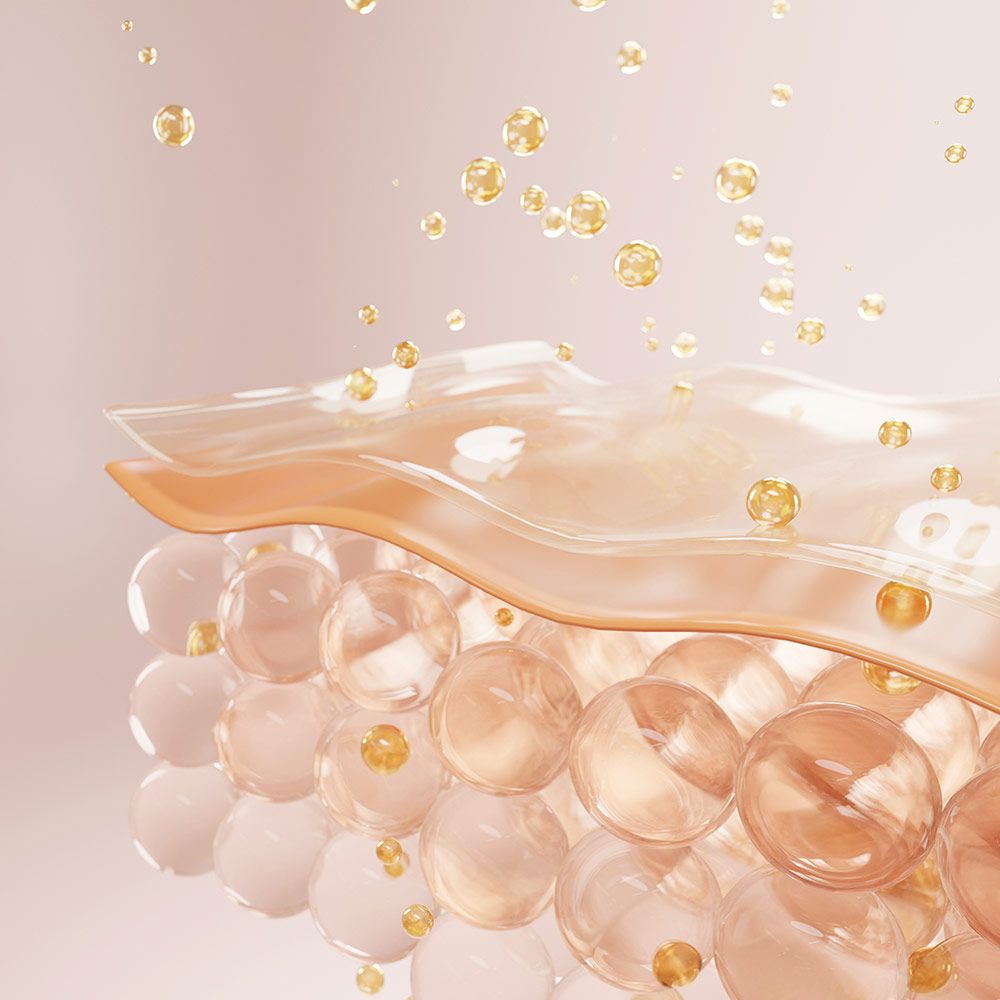
Ceramides are lipid (fat) molecules that make up approximately half of the stratum corneum (the outermost layer of the skin). Along with cholesterol and free fatty acids, they act as a cement that fills the spaces between skin cells (corneocytes). If we liken the skin to a brick wall: corneocytes are the bricks, and the lipid matrix, including ceramides, is the mortar. When this mortar weakens, the wall becomes permeable; moisture escapes, irritants enter, and the skin becomes dry, red, and sensitive.
How Does It Work in the Skin?
The lipid matrix in the skin barrier has an organized, layered structure, and maintaining this order depends on the presence of ceramides, cholesterol, and fatty acids in approximately appropriate ratios. When ceramides are deficient, transepidermal water loss (TEWL) increases — meaning the skin loses its water more quickly. Aging, hot and cold weather, aggressive cleansers, excessive exfoliation, and certain skin conditions (atopic dermatitis, eczema, psoriasis) reduce ceramide levels. Topical ceramide application repairs the barrier by replacing this missing mortar and reduces TEWL. We have explained in detail how the skin barrier works as a whole in our skin barrier guide.
Effects on the Skin
| Effect | Description |
|---|---|
| Barrier repair | Strengthens the skin's protective wall by completing the missing mortar in the lipid matrix. |
| Moisture retention / TEWL reduction | Slows down water leaving the skin; reduces dryness and flaking. |
| Sensitivity reduction | As the barrier strengthens, its resistance to external irritants increases; redness decreases. |
| Active tolerance | A strong barrier allows potent actives like retinol/acids to be tolerated more comfortably. |
Scientific Evidence
A comprehensive review examining the role of moisturizers in dry skin and barrier disorders reported that a ceramide-rich lipid mixture improved atopic dermatitis and reduced transepidermal water loss. The same review emphasizes that not all moisturizers are equal; some formulations strengthen the barrier while some emulsifiers can weaken it. Therefore, when choosing a ceramide product, the overall formulation is important; ceramide is generally most effective when combined with cholesterol and fatty acids in a balanced lipid complex.
Oral Ceramide: Internal Barrier Support
A trending topic in recent years is oral ceramide supplements. These supplements typically contain glucosylceramides derived from plant sources like wheat and rice; they are thought to support the skin's own ceramide synthesis after digestion. A randomized, double-blind, placebo-controlled study published in 2024 showed that 12 weeks of oral use of plant-derived ceramides and glucosylceramides significantly reduced transepidermal water loss compared to placebo. While this is promising for the "hydration from within" approach, oral ceramide does not replace topical care; it complements it. For best results, topical ceramide care should be considered alongside gentle cleansing and sun protection.
Who Should Use It, How to Use It?
Ceramide-based care is especially ideal for dry, sensitive, mature, and compromised skin; skin prone to eczema, psoriasis, and atopic conditions; those using retinol/acids; and skin that dries out during seasonal changes. Ceramide cream is usually applied as the last step in the routine, after serums. When used with niacinamide, they work synergistically; niacinamide supports the skin's own ceramide production. We covered niacinamide in our separate guide and sensitive skin routines in our sensitive skin article.
Recommended Products


Frequently Asked Questions
Is ceramide suitable for all skin types?
Yes. Ceramide is a natural component of the skin; therefore, it is safe for all skin types, including dry, sensitive, mature, oily, and combination skin. For oily skin, light, gel-cream texture ceramide formulations can be preferred; for dry skin, richer creams may be chosen.
Can ceramide and retinol be used together?
Yes, it is even recommended. Ceramide moisturizer reduces temporary dryness and irritation caused by retinol; it can be applied before and after retinol in the "sandwich technique." This combination increases the tolerance of actives.
Do oral ceramide supplements work?
There are randomized controlled study data indicating that plant-derived glucosylceramide supplements support skin moisture and reduce transepidermal water loss. However, the effect is not as fast or localized as topical care; oral ceramide should be considered a complementary support and not a substitute for topical care. It is recommended to consult your doctor before taking supplements.
Where should I use a ceramide product in my routine?
Ceramide cream is typically the last moisturizing step in the routine: cleanse → tone → serum → ceramide cream. In the morning, a broad-spectrum sunscreen must be applied over it.
Conclusion
Ceramide is the mortar that holds the skin's protective wall; when deficient, dryness, sensitivity, and irritation become inevitable. While topical ceramide care repairs the barrier and reduces moisture loss, oral glucosylceramide supplements are a promising complement for "internal" support. You can seek support from Medicblu experts to plan a ceramide-based routine suitable for your skin.
References
- Lodén M. Role of topical emollients and moisturizers in the treatment of dry skin barrier disorders. Am J Clin Dermatol. 2003;4(11):771-778. PMID: 14572299 · DOI: 10.2165/00128071-200304110-00005
- Sanjaya A, Ishida A, Li X, et al. Efficacy and Safety of Oral Administration of Wine Lees Extract (WLE)-Derived Ceramides and Glucosylceramides in Enhancing Skin Barrier Function: A Randomized, Double-Blind, Placebo-Controlled Study. Nutrients. 2024;16(13):2100. PMID: 38999848 · DOI: 10.3390/nu16132100