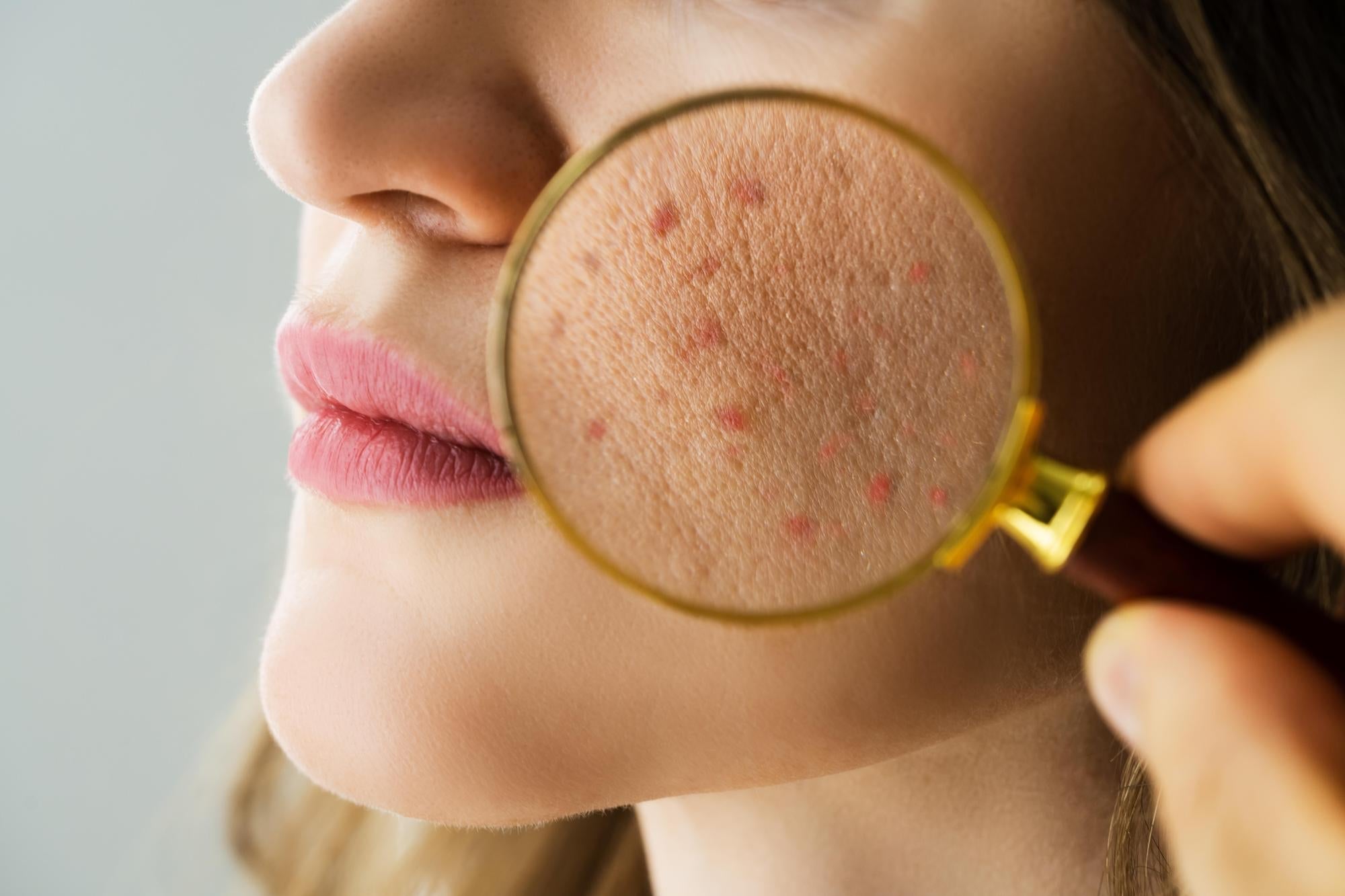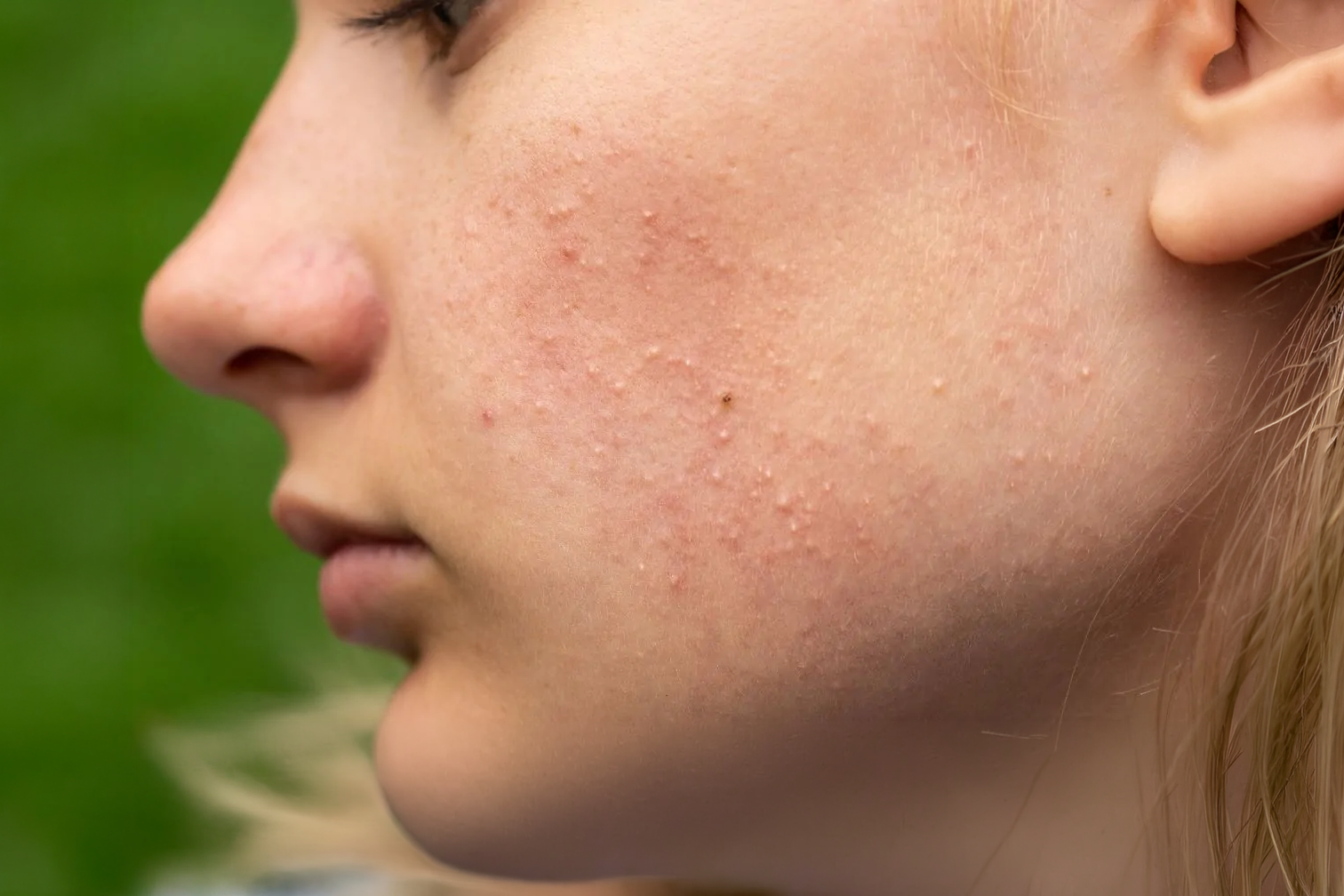
What is Purging (Skin Cleansing/Emptying Phase)? How to Differentiate it from Irritation and Malreactions?
"When starting a new skincare routine, you might experience redness, peeling, and breakouts — is this purging or irritation? The answer to this question can save both your time and your skin."
When you start using a new retinol, AHA, or acne treatment product, you might notice your skin getting worse. This experience can generally indicate two different things: purging or irritation/adverse reaction. Distinguishing between these two will help you make the right decisions.
What is Purging?
Purging occurs when certain active ingredients increase the skin's cell turnover rate. This acceleration causes existing blockages and microcomedones beneath the skin to surface more quickly. In a way, the skin is bringing forward pimples that would have formed anyway.
Ingredients That Cause Purging
Not every product causes purging. Ingredients that cause purging are those scientifically proven to accelerate cell turnover:
- Retinoids (Retinol, Tretinoin, Adapalene): They accelerate epidermal turnover by activating retinoic acid receptors on keratinocytes.
- AHAs (Glycolic Acid, Lactic Acid): They increase surface desquamation of the stratum corneum by hydrolyzing corneodesmosomal proteins.
- BHA (Salicylic Acid): Due to its lipophilic structure, it penetrates pores and normalizes follicular hyperkeratinization.
- Benzoyl Peroxide: Accelerates the breakdown of blockages with its keratolytic and antibacterial effects.
Distinguishing Purging from Irritation
| Feature | Purging | Irritation / Adverse Reaction |
|---|---|---|
| Duration | 2–6 weeks (then improves) | Continues or worsens |
| Location | In existing acne-prone areas | In new or unexpected areas |
| Lesion type | Your usual acne types | New lesion types (itchy, widespread) |
| Accompanying symptoms | Minimal or none | Stinging, severe dryness, edema |
| Ingredient | Turnover-boosting | Incompatible ingredient or concentration |
Managing the Purging Process
- Don't stop using the product — purging is a temporary and expected process
- Reduce application frequency — adapt the skin by using it 2-3 times a week
- Support the moisture barrier — use a moisturizer containing ceramides and hyaluronic acid
- Don't skip SPF — sun protection is essential when using active ingredients
- Don't add new products — keep it simple, identify the source
When Should You Stop?
The following situations are signs of irritation, not purging, and require discontinuing the product or consulting a dermatologist:
- Acne increase lasting longer than 6 weeks
- Stinging, severe pain, or edema
- Intensification in areas where you didn't have acne before
- Signs of barrier damage: visible flaking, capillary swelling
Scientific References
- Mukherjee S, Date A, Patravale V, Korting HC, Roeder A, Weindl G. (2006). Retinoids in the treatment of skin aging: an overview of clinical efficacy and safety. Clin Interv Aging. 2006;1(4):327-48. PMID: 18046911
- Zaenglein AL, Pathy AL, Schlosser BJ, et al. (2016). Guidelines of care for the management of acne vulgaris. J Am Acad Dermatol. 2016;74(5):945-973.e33. PMID: 26897386
- Kang S, Duell EA, Fisher GJ, et al. (1995). Application of retinol to human skin in vivo induces epidermal hyperplasia and cellular retinoid binding proteins characteristic of retinoic acid but without measurable retinoic acid levels or irritation. J Invest Dermatol. 1995;105(4):549-56. PMID: 7561157