Organic Certified Cosmetic Products and Safety: A Comprehensive Guide
Prepared by Pharmacist Berfin Işık. Pharmacist, dermocosmetics and active ingredient specialist. This content is for informational purposes only and is not a substitute for medical advice.
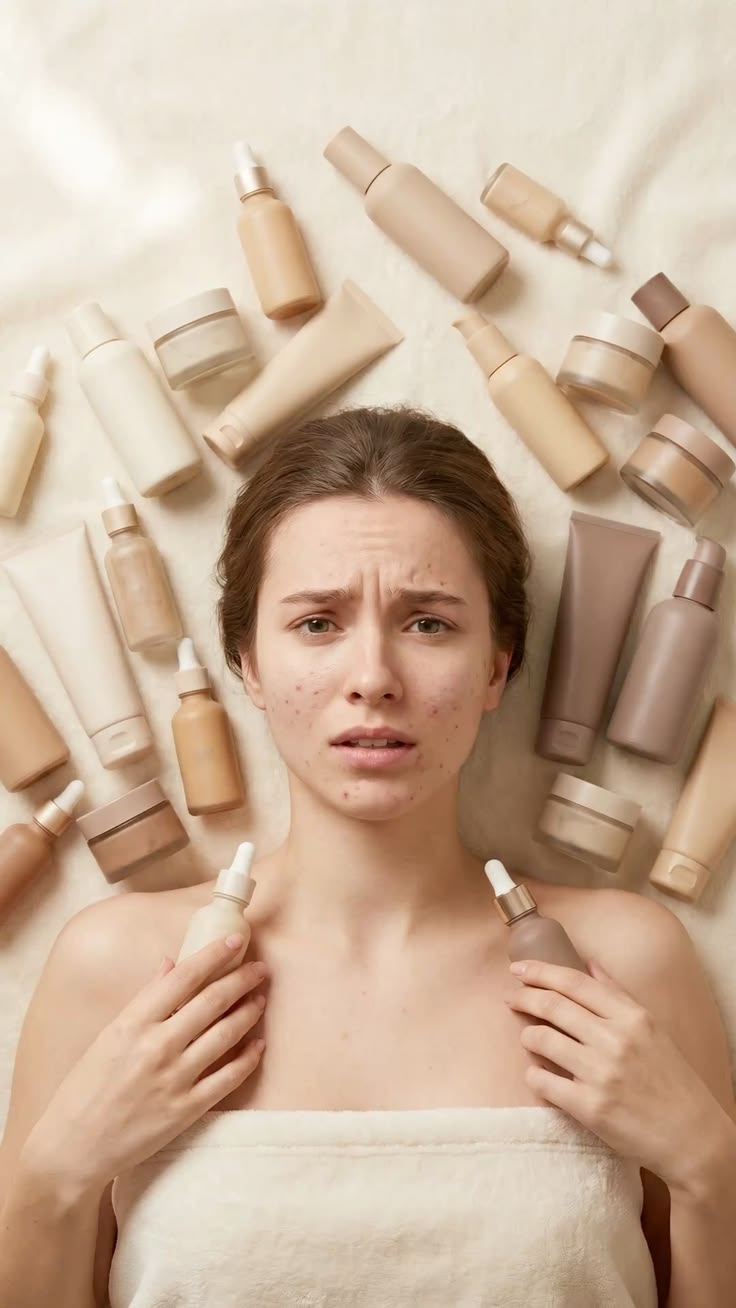
Organically certified cosmetic products have seen a significant increase in interest in recent years; however, most consumers are unaware of the differences between the labels "organic," "natural," and "clean." Meanwhile, components frequently used in conventional cosmetics, such as parabens and phthalates, continue to be examined in scientific literature for their endocrine effects, and certain allergenic substances in fragrances (perfumes) are studied for their risk of contact allergy. In this guide, we explain organic certification systems, discuss potentially risky ingredients in light of scientific data, and explore safe alternatives.
What are Organic Cosmetics? What Do Certifications Mean?
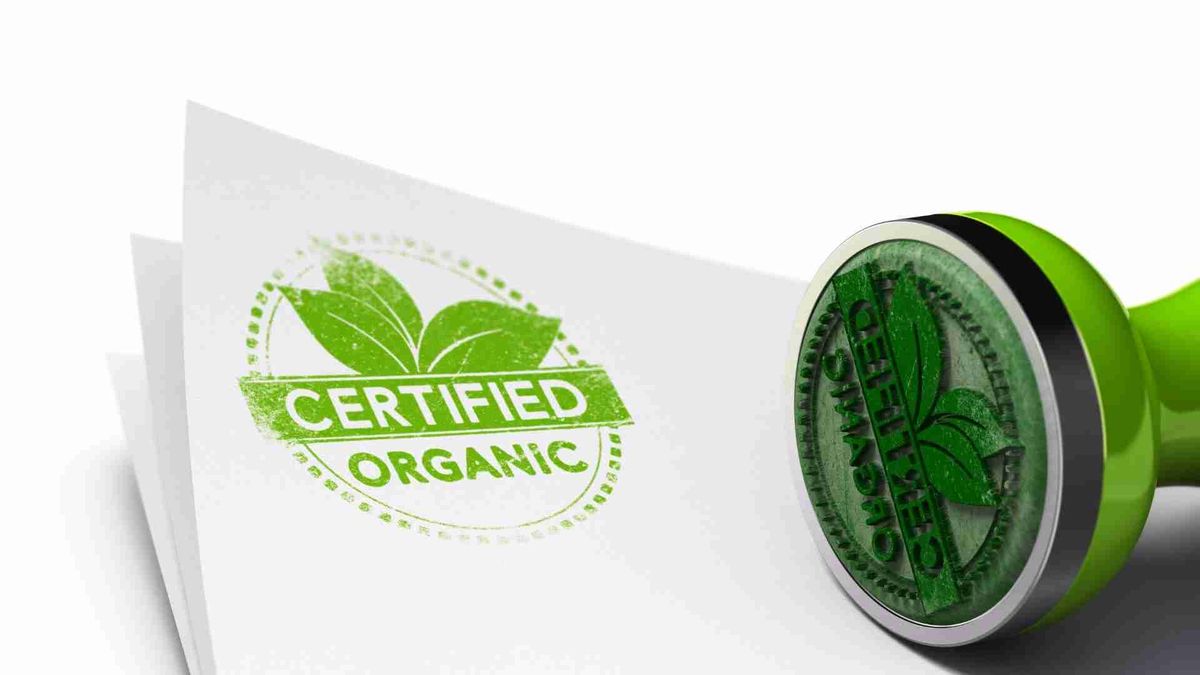
The term "organic cosmetic" is not legally defined; therefore, any brand can use this phrase on its label. Genuine assurances are provided by independent certification bodies. The most common certification bodies worldwide can be listed as follows:
- COSMOS (Europe): The most comprehensive organic cosmetic standard; it audits raw material and production process criteria.
- ECOCERT: French-based; sets minimum percentages for natural and organic content.
- NATRUE: Natural and organic ingredients, including their production traces, are audited.
- Leaping Bunny / Cruelty-Free International: Confirms no animal testing was performed.
- PETA Vegan: Confirms the absence of any animal-derived ingredients.
Certification goes beyond merely claiming "natural ingredients": it also covers raw material traceability, production chemicals, packaging sustainability, and animal welfare. The presence of the word "organic" on a product package does not mean it is certified; we should look for the certification logo.
Potentially Risky Ingredients in Conventional Cosmetics
Clinical and epidemiological research provides evidence that some cosmetic ingredients may exhibit effects on the endocrine system or lead to contact allergies with chronic and cumulative exposure.
| Ingredient | Purpose of Use | Possible Risk | Status |
|---|---|---|---|
| Parabens (methyl, propyl, butyl) | Preservative | Endocrine disruptor; suppression of androgen activity | Some types restricted in the EU |
| Phthalates (DBP, DEP) | fixative, plasticizer, solvent | Reproductive toxicity; fetal effect in pregnancy | Some types banned in EU cosmetics |
| Fragrance allergens (e.g., limonene, linalool, eugenol) | Scent (perfume or essential oil) | Allergic contact dermatitis; sensitization with repeated exposure | In the EU, 26+ known allergens are additionally listed on the label |
| BHA / BHT | Antioxidant preservative | Potential endocrine activity | Under review; SCCS opinion requested |
| Mineral oil / petroleum derivatives | Emollient, moisturizer | Can be comedogenic; quality varies greatly | Safe at high purity; problematic at low purity |
Parabens: The Reality of Cumulative Risk
Parabens have been the most commonly used preservatives in cosmetics and personal care products for decades. A biomonitoring study by Huang et al. (2022) involving 366 participants revealed that for individuals using multiple products daily, paraben exposure could exceed the cumulative risk threshold (HI >1). Propylparaben accounts for a significant portion of this cumulative risk. When different products (lotion, shampoo, toner, cream) are used together, exposure accumulates faster than expected.
Phthalates and Pregnancy
A prospective pregnancy cohort study (ERGO Study) by Preston et al. (2024) from Harvard T.H. Chan School of Public Health showed that phthalate exposure during pregnancy from personal care products—especially hair oils—increased urinary phthalate metabolite concentrations and was associated with shortened gestational age and reduced birth weight. These findings reinforce the importance of ingredient selection, particularly during pregnancy and breastfeeding.
The Real Threat: Not the Perfume Itself, But Allergenic Fragrances
A single "Parfum/Fragrance" entry on an INCI label can conceal dozens of individual chemicals. However, the real risk here is not the concept of "fragrance" itself, but specific allergenic fragrance substances within the perfume mixture. The European Union mandates that 26 of these known allergens (e.g., limonene, linalool, citronellol, geraniol, eugenol, citral, cinnamal, coumarin) must be listed by their individual names on the INCI label if used above a certain threshold, because these molecules are primarily responsible for contact allergies. The critical point is that these allergens are not only found in "synthetic perfume" but are also natural components of natural essential oils — limonene is naturally present in citrus oil, and linalool in lavender. Therefore, a "natural" or "essential oil-containing" product is not automatically less allergenic; indeed, scientific data show that many essential oils contain recognized contact allergens.
Fragrance allergy is one of the most common causes of contact dermatitis in Europe and North America and can occur at any age; therefore, rather than a "perfume present/absent" dilemma, it is necessary to focus on which allergenic fragrances are present. For sensitive and reactive skin, the correct approach is to choose fragrance-free (free from allergenic fragrances) products and recognize these named allergens on the label. You can find more information about selecting irritation-free ingredients in our sensitive skin care guide.
How to Read an Organically Certified Label
To verify if a product is truly organically certified, follow these steps:
- Check for a logo: The logo of a recognized institution such as COSMOS, ECOCERT, NATRUE, or similar should be visible on the packaging.
- Look for fragrance allergens: In addition to the "Parfum/Fragrance" entry in the INCI, also look for named fragrance allergens such as limonene, linalool, citronellol, geraniol, eugenol, citral, coumarin; if these are present, an allergen-fragrance-free alternative may be preferred for sensitive skin.
- Identify preservatives: Methylparaben, ethylparaben, propylparaben, and butylparaben are easily distinguishable on the INCI list.
- Question "Free from" claims: "Paraben-free" does not automatically mean "safe"; the preservative used instead should also be evaluated. For detailed information on phenoxyethanol, refer to our guide on phenoxyethanol and cosmetic preservatives.
Organic Product Does Not Mean "Ineffective"
Skepticism regarding the efficacy of "natural" ingredients is understandable; however, many botanical ingredients have proven their effectiveness in clinical studies. Ingredients such as aloe vera, panthenol (vitamin B5), niacinamide, and zinc oxide are naturally derived and have strong clinical data. For organically certified sunscreens, zinc oxide, a mineral filter, functions as the primary ingredient and is known to be better tolerated by sensitive skin than chemical UV filters. You can find the difference between mineral and chemical filters in our sunscreen selection guide.
Organically Certified Products at Medicblu


Frequently Asked Questions
Is organic cosmetic better for sensitive skin?
Generally, yes; fragrance-free (free from allergenic fragrances), paraben-free, and synthetic colorant-free organically certified products reduce the risk of irritation in sensitive skin compared to conventional alternatives. However, it is important to remember that the "organic" label does not guarantee safety; naturally derived ingredients—especially natural fragrances like limonene and linalool in essential oils—can also be allergens. The habit of reading labels is always important.
Should I immediately stop using products containing parabens?
The current scientific consensus is that paraben exposure from a single product does not pose an immediate health hazard. The concern is directed towards long-term cumulative exposure. Those in high-exposure groups (individuals using multiple products, pregnant women, children) may reconsider their choices. Conscious choice is prioritized over panic.
How do I recognize a fragrance allergen?
According to EU regulations, 26 known fragrance allergens must be listed by their own names in the INCI if used above a certain threshold. The most common ones are: limonene, linalool, citronellol, geraniol, eugenol, citral, coumarin, benzyl alcohol, benzyl salicylate. Seeing these names on the label indicates that the product contains fragrance allergens (whether synthetic or naturally derived); if you have previously experienced contact allergy, it is safest to avoid these ingredients.
Are "cruelty-free" and "vegan" the same thing?
No, they are not. "Cruelty-free" means that no animal testing has been conducted; however, the product may contain animal-derived ingredients such as beeswax, collagen, or silk protein. "Vegan" means that the product contains no animal-derived ingredients; it does not include a claim about animal testing. For full assurance, it is ideal to have both certifications.
Are natural preservatives as effective as parabens?
With evolving formulation technology, naturally derived preservatives such as benzyl alcohol, salicylic acid, glycolic acid, and radish ferment extracts are successfully used in organic cosmetics. However, the product's shelf life and temperature stability must be carefully monitored; therefore, certified manufacturers meticulously specify storage conditions.
Conclusion
Choosing organically certified cosmetics can be considered a significant risk reduction strategy, beyond just a fashion trend, especially for sensitive skin profiles, pregnant women, and babies. While scientific literature continues to document the potential effects of cumulative exposure to ingredients like parabens and phthalates, and the risk of contact dermatitis from fragrance allergens, certified products with transparent ingredient lists minimize these risks. Remember: the real threat is not the concept of "fragrance" itself, but specific allergenic fragrances within it—and these are also found in natural essential oils. Make it a habit to recognize certification logos and read INCI labels for effective and safe skincare.
References
- Huang PC, Chen HC, Chou WC, et al. Cumulative risk assessment and exposure characteristics of parabens in the general Taiwanese using multiple hazard indices approaches. Sci Total Environ. 2022;843:156821. PMID: 35738379
- Martín-Pozo L, Gómez-Regalado MC, Moscoso-Ruiz I, Zafra-Gómez A. Analytical methods for the determination of endocrine disrupting chemicals in cosmetics and personal care products: A review. Talanta. 2021;234:122642. PMID: 34364451
- Preston EV, Quinn MR, Williams PL, et al. Cohort profile: the Environmental Reproductive and Glucose Outcomes (ERGO) Study. BMJ Open. 2024;14(5):e079782. PMID: 38719310
- Cheng J, Zug KA. Fragrance allergic contact dermatitis. Dermatitis. 2014;25(5):232-245. PMID: 25207685 · DOI: 10.1097/DER.0000000000000067
- Uter W, Werfel T, Lepoittevin JP, White IR. Contact Allergy—Emerging Allergens and Public Health Impact. Int J Environ Res Public Health. 2020;17(7):2404. PMID: 32244763 · DOI: 10.3390/ijerph17072404
- Dornic N, Ficheux AS, Roudot AC. Qualitative and quantitative composition of essential oils: A literature-based database on contact allergens used for safety assessment. Regul Toxicol Pharmacol. 2016;80:226-232. PMID: 27375057 · DOI: 10.1016/j.yrtph.2016.06.016