Malassezia Fungus: Why Is It Found On Our Skin and What Are Its Effects?
Malassezia fungus is a type of fungus known to be a natural and generally harmless part of the human skin microbiome. However, under certain conditions, it can lead to skin problems. In this article, we will examine why Malassezia fungus is found on our skin, its benefits, and the problems it causes.
What is Malassezia Fungus?
Malassezia is a group of yeast fungi primarily found on the skin's surface. These fungi are especially abundant in areas rich in sebum (skin oil), such as the scalp, face, chest, and back. Malassezia fungi are lipophilic, meaning they are fat-loving organisms; therefore, they thrive in areas with high sebum production.
Why is Malassezia Fungus Present on Our Skin?
Sebum Production
The sebum on our skin is a nutrient source for Malassezia fungus. Sebum is produced in oily areas of the skin, allowing Malassezia fungi to multiply in these regions. The fatty acids in sebum are essential nutrients for the fungus's growth.
Protective Role
Malassezia fungi can play a protective role by preventing the growth of other harmful microorganisms on the skin. As part of the skin's microflora, they provide a defense mechanism against harmful bacteria and pathogens.
Part of Natural Microbiota
Malassezia fungus is a part of our skin's natural microbiota. A healthy skin microbiome includes a balanced community of various microorganisms that maintain skin health. Malassezia is a member of this balanced community and contributes to the preservation of the skin microbiota.
Benefits of Malassezia Fungus
Maintaining Skin Microbiota Balance
Malassezia fungi maintain the balance of the skin microbiota and help sustain a healthy skin barrier. This balance is critically important for skin health.
Protection Against Pathogens
Malassezia fungi provide a protective effect by preventing the colonization of other pathogenic microorganisms on the skin surface. This can help prevent skin infections.
Problems Caused by Malassezia Fungus
When Malassezia fungi proliferate excessively or the skin barrier is disrupted, various skin problems can arise. Here are the main skin problems caused by Malassezia fungus:
Seborrheic Dermatitis
Excessive proliferation of Malassezia fungus can lead to a skin disorder called seborrheic dermatitis. This condition causes redness, scaling, chronic inflammation, and itching on the skin. It is particularly common in areas with high sebum production, such as the scalp, face, and chest.
Malassezia Folliculitis
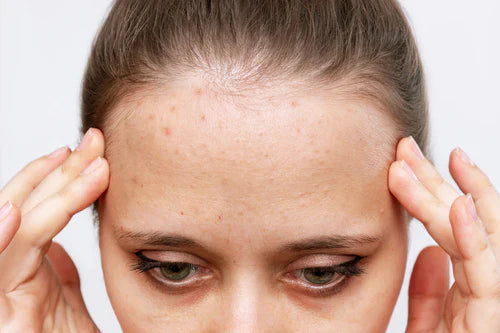
This condition occurs when hair follicles become infected by Malassezia fungi. Folliculitis can cause acne-like bumps and itching on the skin.
Atopic Dermatitis (Eczema)
Some research suggests that Malassezia fungus can exacerbate skin conditions like atopic dermatitis. Overgrowth of the fungus can lead to inflammation and itching on the skin.
Pityriasis Versicolor
This skin condition results from the excessive proliferation of Malassezia fungus, leading to the formation of white or brown patches on the skin. It is generally common in young adults and in hot, humid climates.
Conclusion
Malassezia fungus is an important part of our skin's natural microbiota and plays a role in maintaining healthy skin functions. However, under certain conditions, an overgrowth of this fungus can lead to skin problems. Disorders such as seborrheic dermatitis, Malassezia folliculitis, and Pityriasis versicolor are associated with the uncontrolled growth of this fungus. Understanding the effects of Malassezia fungus on our skin health will allow your doctor to determine effective treatment methods for these types of skin problems. However, using effective skincare products is a lifelong necessity that reduces the frequency and need for medication. Searching for "Malassezia-Safe" and "non-comedogenic" labels on the skincare products you use should be your primary priority to avoid disappointment and benefit from the products.
Scientific References
- Saunte DML, Gaitanis G, Hay RJ. (2020). Malassezia-Associated Skin Diseases, the Use of Diagnostics and Treatment. Front Cell Infect Microbiol. 2020;10:112. PMID: 32266163
- Chang CH, Chovatiya R. (2024). More yeast, more problems?: reevaluating the role of Malassezia in seborrheic dermatitis. Arch Dermatol Res. 2024;316(4):100. PMID: 38472524
- Jung WH. (2023). Alteration in skin mycobiome due to atopic dermatitis and seborrheic dermatitis. Biophys Rev (Melville). 2023;4(1):011309. PMID: 38505818
- Gupta AK, Nicol K, Batra R. (2004). Role of antifungal agents in the treatment of seborrheic dermatitis. Am J Clin Dermatol. 2004;5(6):417-22. PMID: 15663338
- Tamagawa-Mineoka R, Katoh N. (2020). Atopic Dermatitis: Identification and Management of Complicating Factors. Int J Mol Sci. 2020;21(8):2671. PMID: 32290423