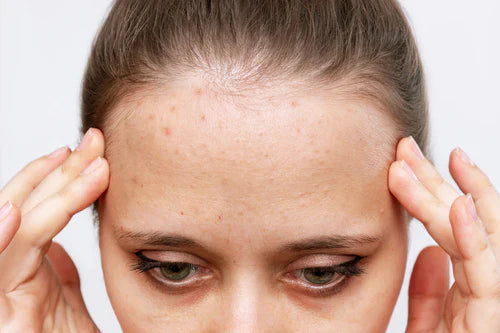
Preventive Approach to Fungal Acne
Fungal acne, or Pityrosporum Folliculitis, is a skin condition that can cause significant damage to your skin. Unlike traditional acne, which is caused by bacteria, fungal acne is triggered by an overgrowth of yeast on the skin. This challenging condition can be difficult to manage, but with the right preventative approach, you can restore your skin's health.
Understanding Fungal Acne: The Culprit Revealed
Fungal acne is often misdiagnosed as traditional acne due to its appearance. However, the underlying cause is completely different. Malassezia, the yeast responsible for this condition, thrives in warm and humid environments. Areas with oil reservoirs (sebaceous glands) such as the scalp, face, between the eyebrows, behind the ears, chest, and back are more susceptible, further exacerbating this condition.
Protective Weapons: Tips for Managing Fungal Acne
01. Antifungal Ingredients
Specifically, incorporate antifungal ingredients into your hair care routine. Ingredients like ketoconazole, zinc pyrithione, and selenium sulfide have proven effective in preventing the overgrowth of Malassezia, with almost no side effects.
02. Gentle Cleansing
Adopt a gentle cleansing routine to avoid stripping your skin's natural oils. Opt for sulfate-free cleansers that protect the skin's moisture barrier and do not encourage fungal growth.
You can create a safe, effective, and conscious skincare routine with Luishe's anti-fungal and Malassezia-safe products formulated for you.
03. Avoid Occlusive Products
Fungal acne thrives in environments with limited airflow. Avoid heavy, petroleum jelly-like products that tend to trap moisture. Although petroleum jelly, contrary to popular belief, does not clog pores, hyaluronic acid would be a much more appropriate choice for seborrheic-prone skin.
Luishe's Intensive Hydrating Propolis Elixir Serum with hyaluronic acid, from its anti-fungal line, is perfect for you!
04. Choose Oil-Free Moisturizers
It wouldn't be an exaggeration to say that the biggest problem for skin with fungal acne is moisturization. Even a small amount of oil in moisturizers can increase the fungal population. To keep your skin hydrated, opt for oil-free, water-based moisturizers and ensure they contain no oil.
05. Regular Exfoliation
Exfoliate regularly to prevent the accumulation of dead skin cells. However, avoid aggressive exfoliating products that can worsen the condition. Opt for gentle exfoliating products containing salicylic acid.
06. Healthy Diet
Some studies suggest a link between gut health and fungal acne. Consider reducing your consumption of sugary, processed, and especially yeasted foods, as these can increase the amount of yeast on the skin. Never apply yeasted foods to your face.
07. Consult a Dermatologist
If your fungal acne persists or worsens, consult a dermatologist. They can provide personalized recommendations and prescribe topical or oral retinoid-derived medications to address the problem.
Conclusion
Nourishing Healthy Skin with a Protective Approach
Fungal acne can be a chronic challenge, but a more protective approach to skincare can make a difference. By understanding the underlying causes and implementing targeted strategies, you can achieve healthy skin and manage your unwanted invader. Remember, consistency is key, and stability is the pathway to clearer, brighter skin.
Scientific References
- Saunte DML, Gaitanis G, Hay RJ. (2020). Malassezia-Associated Skin Diseases, the Use of Diagnostics and Treatment. Front Cell Infect Microbiol. 2020;10:112. PMID: 32266163
- Rubenstein RM, Malerich SA. (2014). Malassezia (pityrosporum) folliculitis. J Clin Aesthet Dermatol. 2014;7(3):37-41. PMID: 24688625
- Hald M, Arendrup MC, Svejgaard EL, et al. (2015). Evidence-based Danish guidelines for the treatment of Malassezia-related skin diseases. Acta Derm Venereol. 2015;95(1):12-19. PMID: 24556907