What Causes Hormonal Acne?
What Causes Hormonal Acne?
You might have heard the term "hormonal acne" before. But what exactly is hormonal acne? Which factors trigger it? Are hormones the cause of acne? And most importantly, how can you get rid of this type of acne? Don't worry, you'll find all the answers to your questions here.
Additionally, you will learn how to prevent hormonal acne, acne that occurs during menopause, and the most effective treatment methods for this condition. This will make it much easier for you to take control of your skin!
What is Hormonal Acne?
Hormonal acne is a type of acne that appears due to changes in your body's hormone levels. It especially occurs when the body produces more testosterone than it needs. Another name for it is "acne vulgaris." Generally speaking, acne arises from clogged or inflamed pores and can manifest as blackheads, whiteheads, inflamed pimples, or cystic lesions.
It is very common, especially during adolescence, affecting approximately 85% of young people. This type of acne is often associated with the menstrual cycle and can appear at similar times each month in women. However, it can affect not only women but also men. The reason for this is the increase in androgen hormones (especially testosterone) during adolescence.
So, how do these hormones cause acne? Testosterone enlarges the oil glands in your skin and causes them to produce more sebum (oil). When dead skin cells don't shed sufficiently, this oil accumulates in the pores, leading to clogging. Bacteria then get involved, and the result is acne!
However, even if your hormone levels fluctuate, it doesn't mean everyone will develop acne. Everyone's sensitivity to hormones is different, and the same level of hormones might cause pimples in some people while having no effect on others.
What Causes Hormonal Acne?
Hormones play a significant role in acne formation, but they are not the sole cause. There are four main factors in the formation of acne:
- Increase in testosterone levels: Especially during adolescence, sebum production increases at the base of hair follicles. This can make the skin oily and clog pores.
- Clogged pores: The skin produces more cells than normal, and these cells can combine with excess oil, leading to clogged pores.
- Bacterial infection: Bacteria can settle in these clogged pores, causing infection and inflamed pimples.
- Inflammation: The immune system can react to the infected area, triggering inflammation.
Hormone levels don't just change during adolescence. Conditions like the menstrual cycle, pregnancy, postpartum period, menopause, and polycystic ovary syndrome can also cause hormonal fluctuations. These changes can increase sebum production, causing skin cells to accumulate in pores and lead to acne.
Additionally, stress significantly contributes to hormonal acne. During stressful times, the adrenal glands secrete cortisol, which can increase oil production in the skin and trigger acne formation. For this reason, "stress-induced acne" can be seen in women, especially from their 20s onwards.
How Does Hormonal Acne Appear?
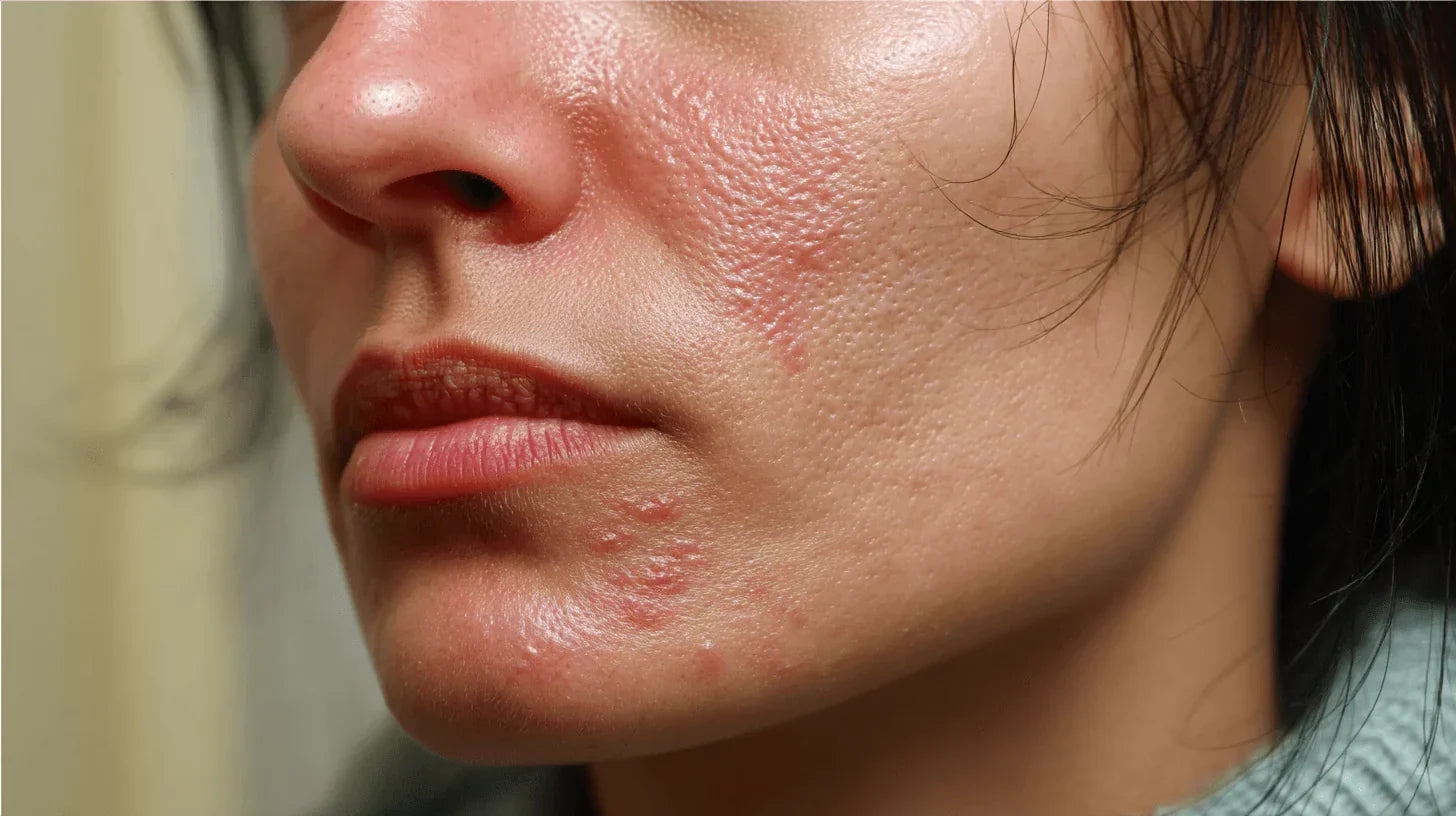
Hormonal acne typically manifests as follows:
- Blackheads and whiteheads
- Deep, painful cystic pimples (difficult to manage and remain under the skin)
- Red and inflamed small pimples (some may have whiteheads)
These pimples are usually seen on the T-zone (forehead, nose, and chin) or the jawline, around the lips, and the lower parts of the cheeks. Hormonal acne can be mild, moderate, or severe, and if left untreated, it can leave permanent scars.
How Can You Prevent Hormonal Acne?
Fortunately, it's possible to control mild to moderate hormonal acne with the right skincare and lifestyle changes. Here are a few suggestions:
✅ Use water-based makeup products: Oil-based products can clog pores.
✅ Don't pick your pimples: Picking can cause the infection to spread.
✅ Wash your skin at least twice a day: You might need extra cleansing on days when you sweat a lot.
✅ Consume herbal antioxidants: Green tea and black tea are known for their anti-inflammatory effects.
✅ Eat a balanced diet: High glycemic index foods (white bread, sugary drinks, potatoes) can affect hormones.
Recent research indicates that dairy products (especially skim milk) can trigger acne formation. Furthermore, excessive sugar and processed foods can raise blood sugar levels, disrupting hormone balance. However, everyone's skin is different. Therefore, you can observe the changes in your skin by avoiding sugary and carbohydrate-rich foods.
The Most Effective Treatments for Hormonal Acne
One of the most powerful solutions in acne treatment is retinoids. Specifically, Adapalene helps skin cells shed faster, preventing pores from clogging. The U.S. Food and Drug Administration (FDA) has approved Adapalene as an over-the-counter acne treatment. Adapalene:
🔹 Reduces redness and inflammation.
🔹 Improves skin tone and texture.
🔹 Helps prevent blackheads and whiteheads.
One of the most effective products you can use against hormonal acne is skincare sets containing Adapalene. Such products cleanse blemishes on the skin while maintaining moisture balance and preventing irritation.
Conclusion
We cannot completely control our hormones or stress levels. However, with proper skincare, a healthy diet, and good hygiene habits, we can significantly reduce hormonal acne. Controlling acne is in your hands by choosing the right products and treatments for your skin!
Scientific References
- Telkkälä A, Sinikumpu SP, Huilaja L. (2025). Etiology of Adult Female Acne-Systematic Review. Health Sci Rep. 2025;8(5):e70697. PMID: 40309637
- Dias da Rocha MA, Saint Aroman M, Mengeaud V, et al. (2024). Unveiling the Nuances of Adult Female Acne: Epidemiology, Treatment Modalities, Dermocosmetics, and the Menopausal Influence. Int J Womens Health. 2024;16:663-678. PMID: 38650835
- Meixiong J, Ricco C, Vasavda C, Ho BK. (2022). Diet and acne: A systematic review. JAAD Int. 2022;7:95-112. PMID: 35373155
- Keow S, Xiong G, Abu-Hilal M. (2025). Update to acne vulgaris treatment for Canadian practice (based on 2024 AAD guidelines). Can Fam Physician. 2025;71(7-8):455-466. PMID: 40730431