What Is Glycolic Acid? The Gold Standard of AHAs
Prepared by Pharmacist Berfin Işık. As a pharmacist specializing in pharmaceutical and cosmetic formulation, she follows current scientific literature on active ingredient safety. This content is for informational purposes only and does not substitute medical advice.
Glycolic acid, the smallest molecular and most researched member of alpha-hydroxy acids (AHAs), is often referred to as the "gold standard of AHAs." This acid renews the skin surface, lightens blemishes, and smooths the skin, and when used correctly, it is one of the most proven ways to achieve a radiant and even skin tone. In this guide, we discuss what glycolic acid is, how it works, and its safe use from a pharmacist's perspective.
What is Glycolic Acid?
Glycolic acid is an alpha-hydroxy acid derived from sugarcane. As the AHA family member with the lowest molecular weight, it penetrates the skin deeper and faster than other AHAs (such as lactic and mandelic acid). This characteristic makes it the most effective yet also the most attention-demanding AHA: it delivers powerful results but also carries a potential for irritation at high concentrations.
How Does It Work on the Skin?
Glycolic acid works by loosening the bonds (corneodesmosomes) that hold dead cells together in the epidermis, allowing the accumulated layer of cells to shed — this is known as chemical exfoliation. While this surface renewal provides a smooth and radiant appearance, it also creates a signaling effect in the underlying layers, stimulating collagen and elastin synthesis. Scientific reviews indicate that AHAs (especially glycolic and lactic acid) promote skin cell renewal, increase collagen and elastin synthesis, and improve skin texture and radiance.
Effects on the Skin
| Effect | Description |
|---|---|
| Surface renewal | Removes the layer of dead cells; reduces roughness and dullness. |
| Blemish and tone evening | Accelerates the shedding of pigmented cells, lightening dark spots and uneven tone. |
| Collagen support | Stimulates collagen/elastin synthesis in the underlying layers, improving the appearance of fine lines. |
| Pores and texture | Reduces superficial blockages, improving pore appearance and skin texture. |
Scientific Evidence
The efficacy of AHAs in addressing signs of photoaging has been studied for decades. A recent comprehensive review highlights that glycolic and lactic acid promote cell renewal, offering a broad range of uses in conditions such as acne, hyperpigmentation, and photoaging; however, it emphasizes that the optimal concentration and pH balance between therapeutic effect and minimal side effects must be meticulously adjusted. Therefore, glycolic acid is most safely used in products formulated with controlled concentrations and appropriate pH levels. For sensitive skin seeking a gentler alternative, PHAs (gluconolactone), which offer similar anti-aging benefits to AHAs while being significantly better tolerated, can be a good starting point.
Who Should Use It, How to Use It?
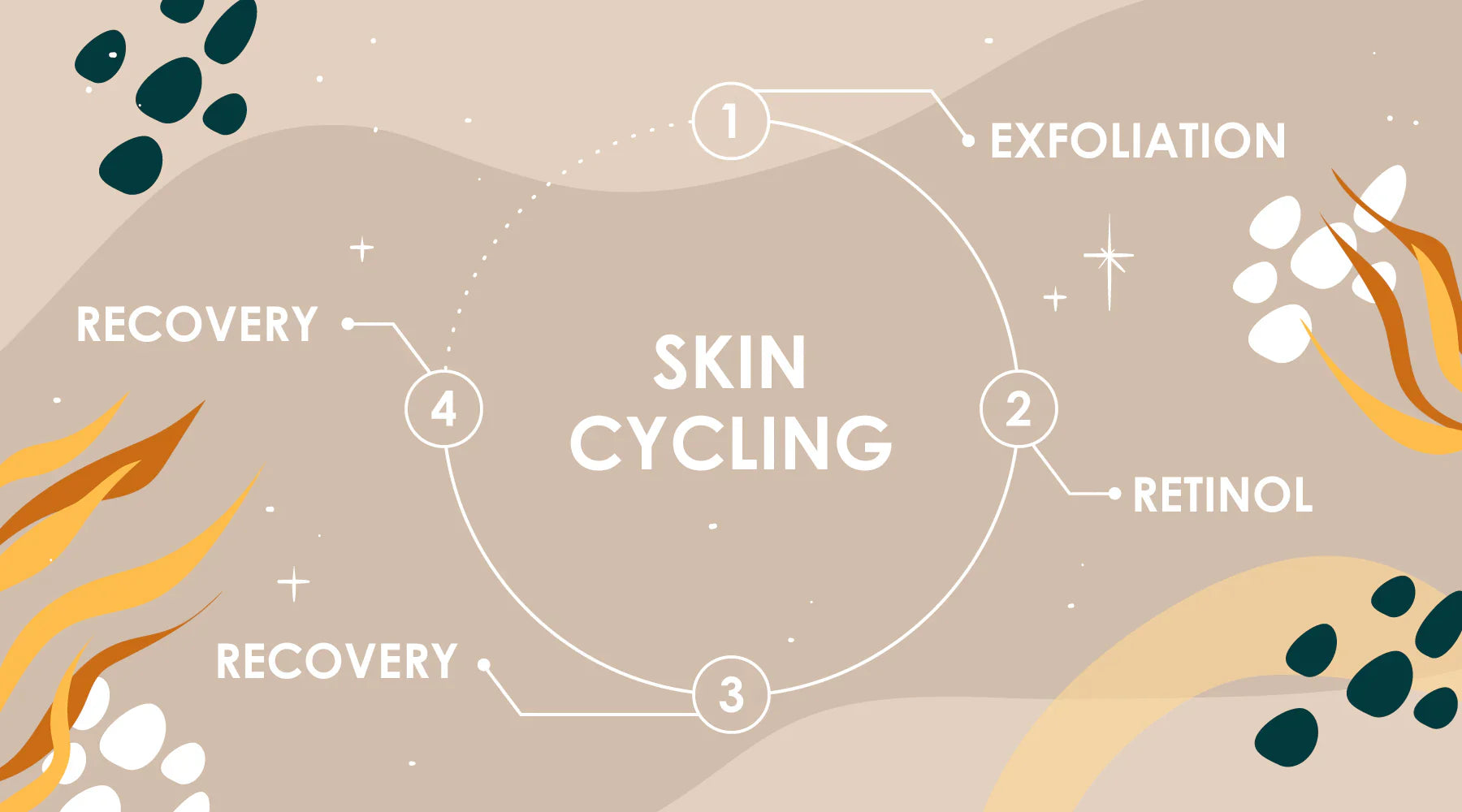
Glycolic acid is ideal for normal, oily, and thick skin with dullness, roughness, blemishes, and signs of photoaging. For very sensitive, dry, or compromised skin barriers, start with a low concentration or opt for PHA/lactic acid. It should be used in the evening routine because it makes the skin more sensitive to the sun, and broad-spectrum SPF is essential during the day. It should not be used on the same night as retinol; separating the two on different nights (e.g., skin cycling) reduces irritation. We covered the basics of exfoliation in our skin peeling guide and blemish management in our blemish and hyperpigmentation article.
Recommended Products


Frequently Asked Questions
What is the difference between glycolic acid and lactic acid?
Glycolic acid is the smallest AHA molecule; it penetrates deeper, provides stronger and faster results, but also carries a higher potential for irritation. Lactic acid has a larger molecule; it is gentler and has additional moisturizing effects. Sensitive skin should generally start with lactic acid or PHAs.
Can glycolic acid be used every day?
For most skin types, 2–3 nights a week is sufficient initially. Frequency can be increased as the skin develops tolerance, but high concentrations every night are not recommended. Excessive use weakens the barrier and leads to sensitivity.
Does glycolic acid really lighten blemishes?
Yes; by accelerating the shedding of dead cells containing pigment, it improves superficial blemishes and uneven skin tone. For deeper spots, using it in conjunction with pigment-targeting actives like niacinamide, tranexamic acid, or vitamin C is more effective.
What should I pay attention to when using glycolic acid?
Always use broad-spectrum SPF during the day; do not combine with retinol on the same night; take a break if your skin is very sensitive or irritated. Burning, persistent redness, or peeling are signs of overuse.
Conclusion
Glycolic acid, when used at the correct concentration and pH, is the most proven AHA for smooth, radiant, and even-toned skin. Its power demands caution: evening use, consistent sun protection, and gradual frequency according to tolerance. For support in choosing the right glycolic acid product and concentration for your skin, you can contact Medicblu experts.
References
- Almeman AA. Evaluating the Efficacy and Safety of Alpha-Hydroxy Acids in Dermatological Practice: A Comprehensive Clinical and Legal Review. Clin Cosmet Investig Dermatol. 2024;17:1661-1685. PMID: 39050562 · DOI: 10.2147/CCID.S453243
- Van Scott EJ, Ditre CM, Yu RJ. Alpha-hydroxyacids in the treatment of signs of photoaging. Clin Dermatol. 1996;14(2):217-226. PMID: 9117988 · DOI: 10.1016/0738-081X(95)00157-B
- Edison BL, Green BA, Wildnauer RH, Sigler ML. A polyhydroxy acid skin care regimen provides antiaging effects comparable to an alpha-hydroxyacid regimen. Cutis. 2004;73(2 Suppl):14-17. PMID: 15002657