Interventional Procedures in Skin Care: When, Why, and How?
With the advancement of aesthetic dermatology technologies, interventional skincare procedures promising more noticeable and lasting results in a shorter time are gaining increasing popularity. This expanding range, from chemical peels to microneedling sessions, laser applications, and injectable treatments, can visibly improve skin health when combined with the correct indications and a meticulous care routine.
Interventional procedures, chosen at the right time for specific skin needs, when combined with a well-planned pre- and post-care routine, visibly improve the skin's texture, tone, and elasticity.
What is an Interventional Procedure?
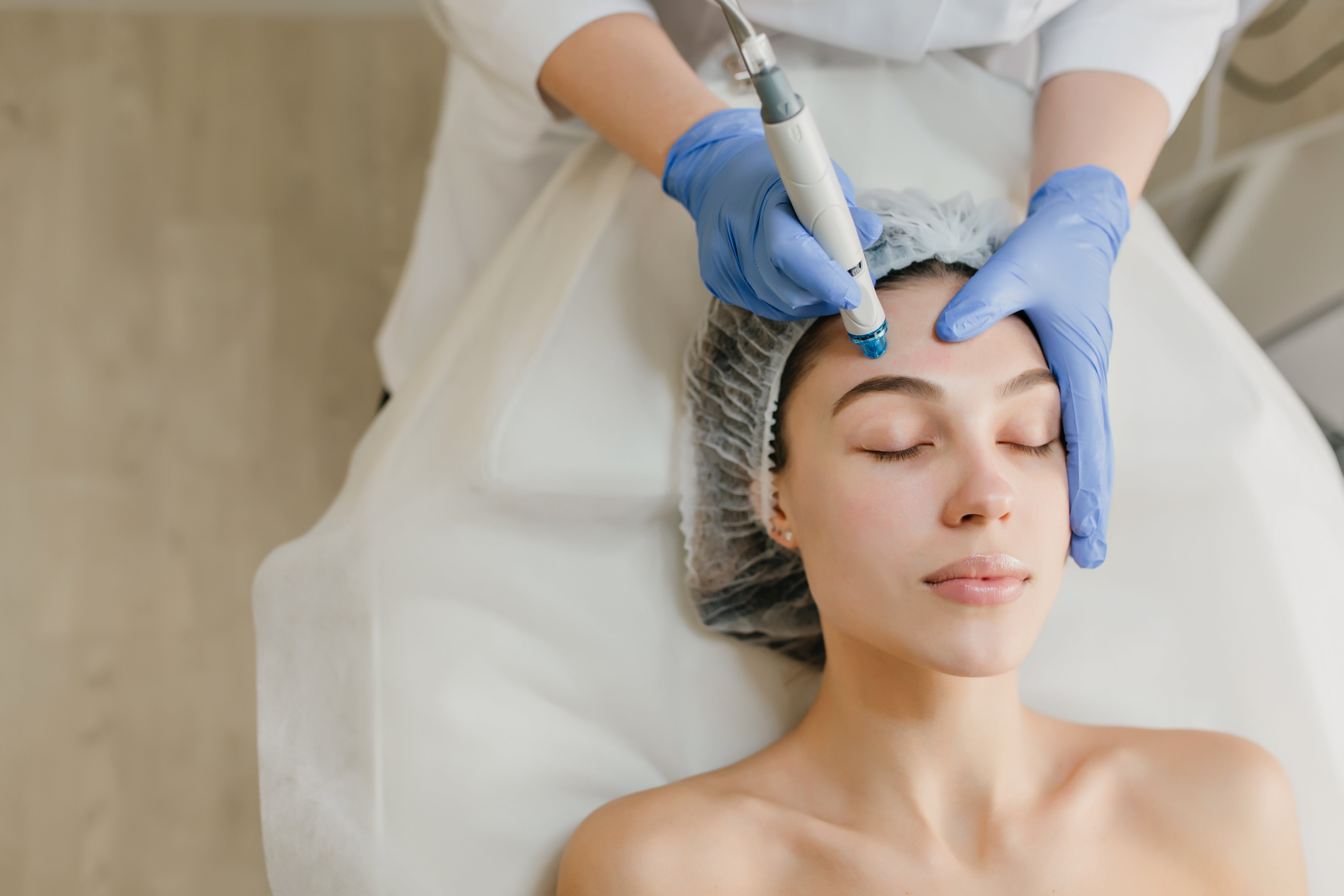
Professional applications that initiate healing mechanisms by penetrating the skin's surface or triggering a biological response in the subcutaneous layers are called interventional procedures.
- Minimally invasive: dermaroller, microneedling, mesotherapy
- Moderately invasive: chemical peels, fractional laser, IPL/BBL
- Injectable: botulinum toxin, hyaluronic acid fillers, PRP
As the depth of the procedure increases, the results become more permanent, but the healing process may also lengthen.
For Which Skin Concerns Is It Used?
- Lesions that do not heal for a long time
- Uncontrollable rosacea flare-ups
- Deep wrinkles
- Uneven skin tone and spots
- Adult acne
Pre-Procedure Preparation
1. Strengthening the Skin Barrier (First Condition!)
If the skin barrier is weak, the risk of irritation, burning, dryness, flaking, and infection increases after the procedure. Soothe the skin with products containing ingredients like panthenol, niacinamide, allantoin, madecassoside. Support the moisture barrier with hyaluronic acid, squalane, ceramides. Maintain microbiota balance with prebiotic/probiotic ingredients.
2. Discontinue Retinol and Acids (3-7 Days Before)
Retinoids, AHA/BHA/PHA, vitamin C (ascorbic form), and brightening agents can sensitize the skin before the procedure and should be discontinued at least 3-7 days prior.
3. Sunscreen Use (At Least 2 Weeks Before)
After an interventional procedure, the skin is more vulnerable to UV. Use SPF 50, broad-spectrum, non-comedogenic, and fragrance-free products, reapplying 2-3 times a day.
4. Control of Active Infection, Acne, or Eczema
If there is an active inflammatory process on the skin, the procedure should be postponed. Dermatologist support is recommended.
5. Clean and Gentle Routine
A gentle skincare routine should be followed before the procedure: PHA-based gentle gel cleanser, alcohol-free soothing tonic, ceramide-containing barrier-supporting moisturizer, and UV protection every morning.
6. Nutrition & Water Intake
- 2-2.5 L of water daily
- Vitamin C and zinc supplementation
- Avoid sugar and processed foods
Post-Procedure Care: Golden Rules
- Sulfate-free, soap-free, moisturizing cleansers (first 48 hours)
- Intense barrier-repairing moisture care
- Thermal water spray and cold compress
- SPF 50+ sun protection
- Avoid active ingredients (retinoids, acids, vitamin C)
- Hygiene: brush, pillowcase, phone cleaning
Frequently Asked Questions
How long is the recovery period?
It varies by procedure: 3-5 days after micro-needling, 7-10 days of social isolation may be required after TCA peeling.
Who is it not suitable for?
- Active herpes
- History of keloids
- Pregnancy or breastfeeding
- Autoimmune diseases
Are the results permanent?
Collagen production is supported, but as aging continues, maintenance sessions may be necessary.
How to identify a reliable center?
- It is important that all your questions about pre- and post-procedure procedures are provided to you in a written procedure.
- Procedures should be performed by an expert physician, not a nurse or aesthetician.
- Having the institution's license, fire safety, and hygiene documents in a visible place protects you against unlicensed services.
- You can request the ingredients of the products used if necessary. Remember, there's no substitute for your skin.
Scientific References
- Tam E, et al. (2024). A Systematic Review on the Effectiveness and Safety of Combining Biostimulators with Botulinum Toxin, Dermal Fillers, and Energy-Based Devices. Aesthetic Plast Surg. 2024;49(10):2809-2833. PMID: 39719485
- Wang Q, Ma C, Zhang L. (2025). A Scoping Review of Radiofrequency Microneedling: Clinical Application and Outcome Assessment. Aesthetic Plast Surg. 2025;49(18):5199-5210. PMID: 40537669
- Khunger N. (2008). Standard guidelines of care for chemical peels. Indian J Dermatol Venereol Leprol. 2008;74 Suppl:S5-12. PMID: 18688104